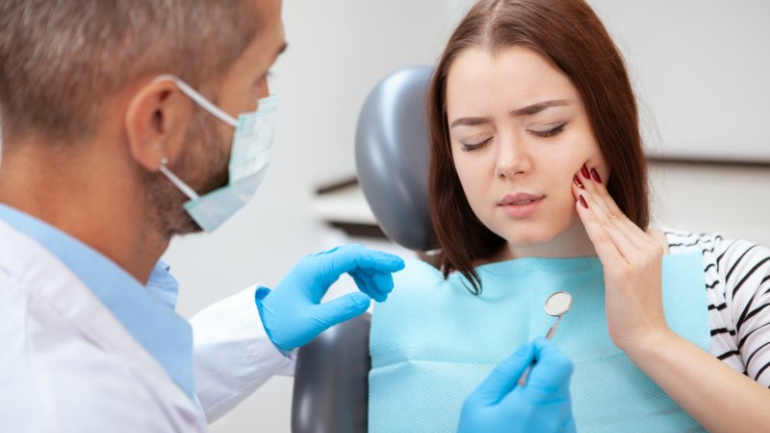

Best Age for Orthodontic Treatment: Advice from an Orthodontist in Indore
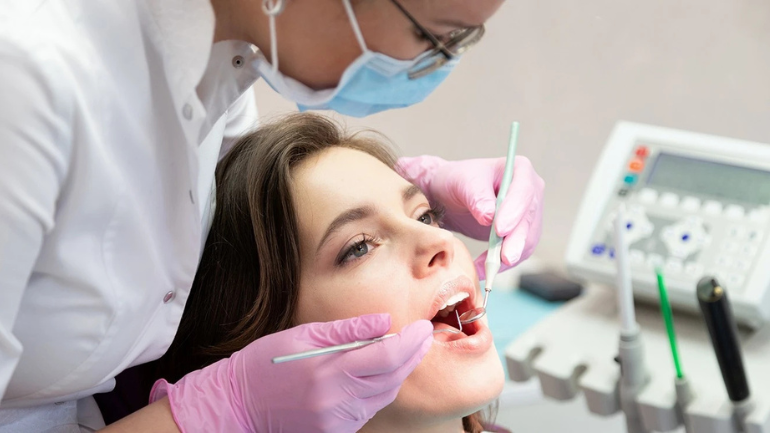
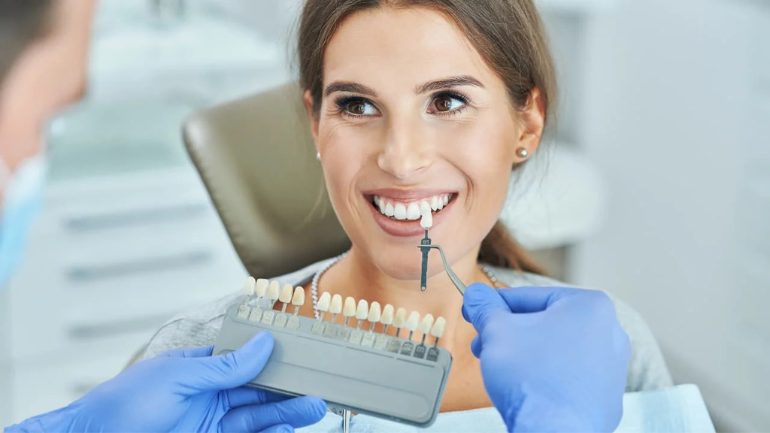
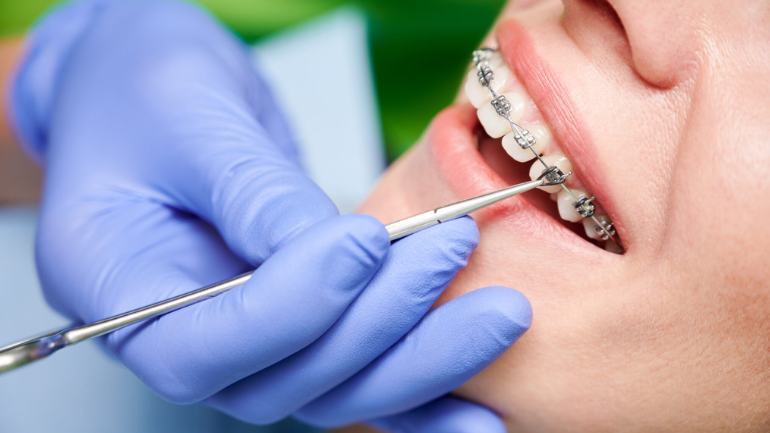
A straight smile is not just about appearance; it also improves oral health, chewing efficiency, and self-confidence. One of the most common questions parents and adults ask is, “What is the best age to start orthodontic treatment?” The answer depends on individual dental development, but early evaluation can make treatment simpler and more effective. What Is Orthodontic Treatment? Orthodontic treatment corrects misaligned teeth, improper bites, and jaw irregularities using braces, clear aligners, or other appliances. Proper alignment not only enhances your smile but also reduces the risk of tooth decay, gum disease, and uneven tooth wear. According to the American Dental Association (ADA) properly aligned teeth are easier to clean and maintain, contributing to better long-term oral health. Why Age Matters in Orthodontics Growth and Jaw Development Children’s jaws are still developing, making it easier to guide tooth eruption and correct bite problems before they become severe. Early Detection Prevents Bigger Problems Identifying orthodontic issues early can reduce treatment complexity and may even prevent the need for tooth extractions or jaw surgery later. Persistent tooth pain Sensitivity to hot or cold foods Swollen gums Deep dental decay Cracked or broken tooth Dental abscess Pain while chewing What Is the Best Age for Orthodontic Treatment? Ages 7–10: Early Orthodontic Evaluation Most orthodontists recommend the first orthodontic check-up around age seven. At this stage, permanent teeth begin to erupt, allowing early detection of bite and jaw problems. Adults Can Also Benefit from Orthodontics It’s never too late to improve your smile. Adults can successfully straighten their teeth with braces or Invisalign and enjoy both cosmetic and oral health benefits. Signs Your Child May Need Orthodontic Treatment Watch for these common signs: Crooked or crowded teeth Difficulty chewing Mouth breathing Thumb sucking after age five Early or delayed loss of baby teeth Protruding front teeth Frequent biting of cheeks Jaw clicking or shifting Common Orthodontic Problems Orthodontic treatment can correct: Overbite Underbite Crossbite Open bite Crowded teeth Gaps between teeth Misaligned jaws Braces vs Invisalign at Different Ages Traditional braces are often recommended for children and teenagers with moderate to severe alignment issues. Invisalign is a popular choice for older teenagers and adults who prefer a discreet treatment option. Your best orthodontist in Indore will recommend the most suitable option based on your age, dental condition, and lifestyle. Benefits of Early Orthodontic Treatment Early treatment offers several advantages: Guides proper jaw growth Creates space for permanent teeth Corrects harmful bite habits Reduces treatment time later Improves facial development Boosts self-confidence What Happens During Your First Orthodontic Consultation? During your first visit, the orthodontist will: Examine your teeth and bite Take digital X-rays if needed Discuss treatment options Explain expected treatment duration Prepare a personalized treatment plan How Long Does Orthodontic Treatment Take? Treatment time varies depending on the complexity of the case. Mild cases: 6–12 months Moderate cases: 12–24 months Complex cases: 24–30 months Regular follow-up appointments help ensure successful results. Tips for Maintaining Oral Hygiene During Treatment To keep your teeth healthy while wearing braces or aligners: Brush after every meal Floss daily Avoid sticky and hard foods Attend regular dental check-ups Wear retainers as advised after treatment The World Health Organization (WHO) also emphasizes maintaining good oral hygiene to prevent dental diseases throughout life. Related Post Best Age for Orthodontic Treatment: Advice from an Orthodontist in Indore Root Canal Treatment Cost in Indore: Complete Price Guide (2026) Braces vs Invisalign: Which Orthodontic Treatment is Better in Indore? Top Post The Role of Laser Dentistry in Treating Gum Diseases Root Canal Treatment Cost in Indore: Complete Price Guide (2026) Best Age for Orthodontic Treatment: Advice from an Orthodontist in Indore Quick Enquiry Follow Us: Facebook Instagram Youtube Linkedin Twitter Book Your Orthodontic Consultation Today Early diagnosis can make orthodontic treatment faster, easier, and more effective. If you or your child has crooked teeth or bite problems, schedule a consultation with our experienced orthodontic team today. Why Choose Shivaay Dental Clinic and Implant Center? At Shivaay Dental Clinic and Implant Center, we provide personalized orthodontic care using advanced technology and modern treatment options. Why patients choose us: Experienced orthodontic specialists Led by Dr. Rashmi Rathore Solanki Digital diagnosis and treatment planning Braces and Invisalign solutions Comfortable and hygienic clinic Transparent treatment guidance Patient-focused care If you’re looking for an experienced orthodontist in Indore Shivaay Dental Clinic and Implant Center offers personalized orthodontic care for children, teenagers, and adults using modern braces and clear aligner solutions. Conclusion The best age for orthodontic treatment depends on individual dental development, but early evaluation can help prevent more serious problems in the future. Whether you’re looking for an orthodontist in Indore for your child or seeking treatment as an adult, choosing the best orthodontist in Indore ensures a personalized plan for a healthier, straighter smile. Book your consultation with Shivaay Dental Clinic and Implant Center and take the first step toward lasting oral health. FAQs Q1. What is the ideal age to visit an orthodontist? Children should have their first orthodontic evaluation around age seven, even if no visible problems are present. Q2. Can adults get braces? Yes. Adults of any age can benefit from orthodontic treatment with braces or clear aligners. Q3. Is Invisalign suitable for teenagers? Yes. Invisalign is an excellent option for responsible teenagers with mild to moderate alignment issues. Q4. How long do braces usually stay on? Most patients wear braces for 12 to 24 months, depending on the complexity of the case. Q5. Does orthodontic treatment hurt? You may experience mild discomfort after adjustments, but it usually subsides within a few days.