Shivaay Dental Clinic

Floating Icons

Author name: ShivaayDental

Untitled design 2026 05 19T160032.966
Uncategorized

How to Prevent and Treat Gum Disease Before It’s Too Late

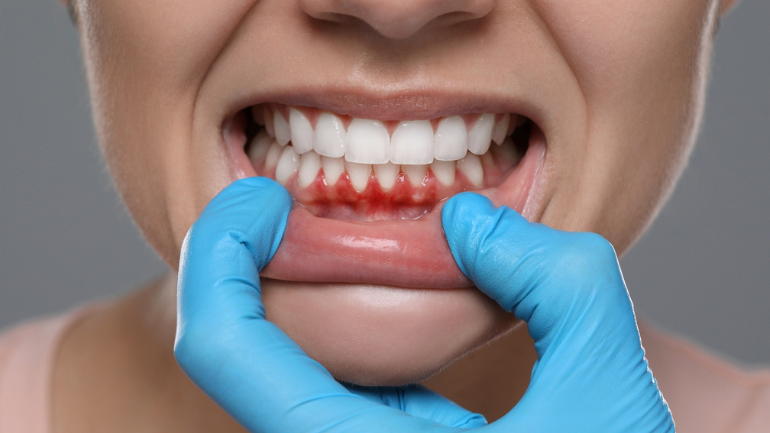
Gum disease is often called a “silent threat” because it starts painlessly but can lead to serious dental problems if ignored. Bleeding gums might seem harmless but they’re actually your body waving a red flag.At Shivaay Dental Clinic and Implant Center, early diagnosis and prevention are key priorities. If you’re searching for the best gum disease treatment in indore or a trusted best dental clinic in indore, understanding how to prevent and treat gum disease can save your teeth and your confidence. What Is Gum Disease? Gum disease, also known as periodontal disease, is an infection of the tissues that support your teeth. It begins with plaque buildup and can progress to serious damage if untreated. Types of Gum Disease Gingivitis (Early Stage) This is the mildest form and is reversible with proper care. Periodontitis (Advanced Stage) At this stage, gums pull away from teeth, forming pockets that can lead to bone loss and tooth loss. Early Warning Signs of Gum Disease Symptoms You Should Never Ignore Watch out for: Swollen or bleeding gums Persistent bad breath Gum recession Loose or shifting teeth Sensitivity while chewing Related Post How to Prevent and Treat Gum Disease Before It’s Too Late How Often Should You Really Get Your Teeth Cleaned? (Professional vs. DIY) Crown & Bridge or Implant? Dental Experts Explain the Difference Top Post The Role of Laser Dentistry in Treating Gum Diseases How to Prevent and Treat Gum Disease Before It’s Too Late How Often Should You Really Get Your Teeth Cleaned? (Professional vs. DIY) Quick Enquiry Follow Us: Facebook Instagram Youtube Linkedin Twitter These are early signs that demand attention. What Causes Gum Disease? Plaque and Tartar Buildup Plaque is a sticky film of bacteria. If not removed, it hardens into tartar, which can only be cleaned professionally. Lifestyle and Health Factors Poor oral hygiene Smoking or tobacco use High sugar diet Hormonal changes Risk Factors for Gum Disease Smoking, Diabetes & Poor Oral Hygiene Certain conditions increase your risk: Diabetes Smoking Weak immune system Genetics According to the CDC, nearly 47% of adults over 30 suffer from some form of gum disease, highlighting how common and preventable it is. How to Prevent Gum Disease Naturally Brush Twice Daily with Fluoride Toothpaste Brushing removes plaque before it turns into tartar. Floss Daily to Remove Plaque Flossing reaches areas your toothbrush can’t. Use Antimicrobial Mouthwash This helps reduce bacteria and inflammation. Maintain a Healthy Diet Limit sugar and include foods rich in vitamins for gum health. Importance of Professional Dental Cleanings Why Twice-Yearly Visits Matter Even if you brush and floss regularly, professional cleaning is essential. Benefits include: Removal of hardened tartar Early detection of gum disease Prevention of severe complications Experts suggest that regular cleanings can prevent 90% of advanced periodontitis cases. How Dentists Treat Gum Disease Scaling and Root Planing This deep cleaning procedure removes plaque and tartar below the gum line and smoothens roots. Advanced Treatments Antibiotic therapy Laser treatment Surgical procedures (in severe cases) What Happens If Gum Disease Is Left Untreated? Ignoring gum disease can lead to: Tooth loss Bone damage Chronic infection Increased risk of systemic diseases Think of it like ignoring a small leak it eventually floods the entire system. When Should You See a Dentist Immediately? Seek immediate care if you notice: Continuous gum bleeding Severe swelling or pain Pus between teeth and gums Loose teeth Call to Action (CTA) Don’t wait until gum disease becomes painful or irreversible. Early treatment can save your smile. Book your dental checkup today and take the first step toward healthier gums. Why Choose Shivaay Dental Clinic? Looking for expert care for the best gum disease treatment in indore or a reliable best dental clinic in indore? Shivaay Dental Clinic offers: Advanced gum disease treatments Experienced care by Dr. Rashmi Rathore Solanki Personalized oral health plans Modern, painless procedures Conclusion Gum disease doesn’t happen overnight but it can worsen quickly if ignored. The good news? It’s largely preventable with simple daily habits and regular dental visits. Take control today because healthy gums are the foundation of a healthy smile. FAQs Q1. What are the first signs of gum disease? Bleeding gums, swelling, and bad breath are early indicators. Q2. Can brushing alone prevent gum disease? No, flossing and professional cleaning are also necessary. Q3. Is gum disease painful? Not in early stages, which is why it’s often ignored. Q4. Can teenagers get gum disease? Yes, especially with poor oral hygiene. Q5. How long does gum disease treatment take? It depends on severity, ranging from weeks to months.

Untitled design 2026 05 19T153522.812
Uncategorized

10 Warning Signs You Need a Dentist ASAP (and What to Do Next)

Your mouth often gives early warning signals before a serious dental problem developsbut are you paying attention? Many people ignore subtle symptoms until they turn into painful emergencies. At Shivaay Dental Clinic and Implant Center, patients are often seen when issues have already escalated. If you’re searching for a Dentist In Indore knowing these warning signs can help you act early and avoid costly treatments. Why Ignoring Dental Warning Signs Can Be Dangerous According to the Centers for Disease Control and Prevention (CDC), nearly 46% of children and over 20% of older adults have untreated dental caries. Ignoring symptoms like toothache or gum bleeding often leads to infections, tooth loss, or even systemic health complications. 1. Persistent Toothache That Won’t Go Away What It Means A constant toothache usually signals decay, infection, or nerve damage. What to Do Next Rinse with warm salt water Avoid very hot or cold foods Visit a dentist immediately 2. Swollen or Bleeding Gums Early Signs of Gum Disease If your gums bleed while brushing or appear swollen, it could indicate gingivitis or periodontitis. Related Post 10 Warning Signs You Need a Dentist ASAP (and What to Do Next) How Often Should You Really Get Your Teeth Cleaned? (Professional vs. DIY) Crown & Bridge or Implant? Dental Experts Explain the Difference Top Post The Role of Laser Dentistry in Treating Gum Diseases 10 Warning Signs You Need a Dentist ASAP (and What to Do Next) How Often Should You Really Get Your Teeth Cleaned? (Professional vs. DIY) Quick Enquiry Follow Us: Facebook Instagram Youtube Linkedin Twitter 3. Extreme Tooth Sensitivity Hot and Cold Sensitivity Explained Sensitivity to temperatures may suggest enamel erosion or exposed tooth roots. 4. Loose or Shifting Teeth A Sign of Advanced Dental Issues Adult teeth should never feel loose. This could indicate bone loss or severe gum disease. 5. Chronic Bad Breath (Halitosis) Hidden Infection Warning Persistent bad breath is often caused by bacteria buildup or underlying infection. 6. Mouth Sores That Won’t Heal When to Be Concerned Sores lasting more than two weeks need professional evaluation to rule out infections or oral cancer. 7. Jaw Pain or Clicking TMJ or Something More Serious? Jaw discomfort may be linked to TMJ disorders or misalignment issues. 8. Cracked or Fractured Teeth Risks of Ignoring Cracks Even small cracks can expose nerves and lead to infections if untreated. 9. Pus or Swelling Around a Tooth (Abscess) Dental Emergency Alert This is a serious infection that can spread if ignored. Immediate dental care is critical. 10. Tooth Discoloration or Changes in Appearance More Than Just Cosmetic Discoloration can signal decay, enamel damage, or internal tooth problems. What to Do If You Notice These Symptoms Immediate Steps to Take Maintain oral hygiene Avoid self-medication Use cold compress for swelling Schedule a dental visit ASAP When Should You Visit a Dentist ASAP? You should seek urgent dental care if: Pain lasts more than 48 hours Swelling increases You notice pus or fever Teeth feel loose or painful Call to Action (CTA) Don’t wait for pain to become unbearable. Early treatment can save your teeth and prevent complications. Book your consultation today and take control of your oral health. Why Choose Shivaay Dental Clinic? If you’re looking for a trusted best dentist in indore, Shivaay Dental Clinic offers: Advanced diagnostic technology Experienced care by Dr. Rashmi Rathore Solanki Personalized treatment plans High success rate in dental procedures Conclusion Your first dental implant consultation is not just an appointment it’s the roadmap to your new smile. From detailed examinations to personalized planning, every step is designed to ensure success. Take that first step today because a confident smile begins with the right consultation. FAQs Q1. What are the warning signs you need a dentist ASAP? Persistent toothache, bleeding gums, sensitivity, swelling, and bad breath are key warning signs. Q2. Can a tooth infection go away on its own? No, infections require professional treatment and can worsen if ignored. Q3. Is bleeding gums a dental emergency? Not always, but it is an early sign of gum disease and should be checked. Q4. How long can I ignore tooth pain? You shouldn’t ignore itpain lasting more than 1–2 days needs attention. Q5. What happens if a dental abscess is untreated? It can spread infection to other parts of the body and become life-threatening.

Untitled design 2026 05 19T150342.718
Uncategorized

What to Expect During Your First Dental Implant Consultation

Thinking about dental implants can feel overwhelming Will it hurt? Am I even eligible? What’s the process like? These are common questions, and your first consultation is where everything becomes clear. At Shivaay Dental Clinic and Implant Center, patients are guided step-by-step to ensure complete clarity and confidence. If you’re consideringdental implants in indoreor searching for the best dental surgeon in indore, your first consultation is the foundation of a successful smile transformation. Why the First Dental Implant Consultation Matters A dental implant isn’t just a procedure it’s a long-term investment in your oral health. Studies show implants have a 95–98% success rate over 10 years, but success depends heavily on proper planning during the consultation stage. Step 1: Comprehensive Oral Examination Checking Teeth, Gums, and Overall Oral Health Your dentist will begin with a detailed oral examination, looking for: Tooth decay Gum disease Existing dental restorations This step ensures your mouth is ready for implants. Step 2: Dental and Medical History Review Why Your Health Background Matters You’ll be asked about: Past dental treatments Medical conditions (like diabetes) Medications Related Post What to Expect During Your First Dental Implant Consultation How Often Should You Really Get Your Teeth Cleaned? (Professional vs. DIY) Crown & Bridge or Implant? Dental Experts Explain the Difference Top Post The Role of Laser Dentistry in Treating Gum Diseases What to Expect During Your First Dental Implant Consultation How Often Should You Really Get Your Teeth Cleaned? (Professional vs. DIY) Quick Enquiry Follow Us: Facebook Instagram Youtube Linkedin Twitter Why does this matter? Because healing and implant success depend on your overall health. Step 3: X-rays and 3D CBCT Scans Advanced Imaging for Accurate Planning Modern clinics use advanced imaging like CBCT scans to get a 3D view of your jaw. This helps in: Identifying bone structure Locating nerves Planning precise implant placement Step 4: Jawbone Density Assessment Determining Implant Support Your jawbone acts like the foundation of a building. If it’s weak, the implant won’t hold properly. The dentist evaluates: Bone volume Bone strength Need for reinforcement Step 5: Gum Health Evaluation Ensuring Healthy Foundation Healthy gums are essential. Any infection or inflammation must be treated before implant surgery. Step 6: Bite Alignment Check Importance of Proper Occlusion Your bite (how your teeth meet) is analyzed to ensure: Even pressure distribution Long-term implant stability Step 7: Are You a Candidate for Dental Implants? Eligibility Criteria Explained You may be a good candidate if: You have sufficient jawbone Your gums are healthy You don’t smoke excessively Interestingly, studies show nearly 69% of patients qualify without bone grafting. Step 8: Bone Grafting – If Needed When Additional Support Is Required If your bone is insufficient, a bone graft may be recommended. This strengthens the jaw and improves implant success. Step 9: Treatment Planning Discussion Personalized Implant Strategy Your dentist will create a customized plan, including: Number of implants Placement strategy Type of implant Think of it as a blueprint for your new smile. Step 10: Timeline and Cost Overview What to Expect Financially and Time-Wise You’ll get a clear breakdown of: Treatment duration (usually several months) Healing time (1–2 weeks initial recovery) Cost estimates Transparency here helps you plan confidently. What Happens After the Consultation? After your consultation: Preparatory treatments (if needed) begin Implant surgery is scheduled Follow-ups are planned Benefits of a Detailed Consultation Accurate diagnosis Reduced complications Higher success rate Clear expectations According to the American Dental Association (ADA), proper diagnosis and planning significantly improve implant outcomes. Call to Action (CTA) Ready to restore your smile with confidence? Don’t delay your journey toward better oral health. Book your dental implant consultation today and take the first step toward a permanent solution. Why Choose Shivaay Dental Clinic? Looking for expert dental implants in indore or the best dental surgeon in indore? Shivaay Dental Clinic offers: Advanced 3D imaging technology Expertise of Dr. Rashmi Rathore Solanki Personalized implant solutions High success rates and patient satisfaction Conclusion Your first dental implant consultation is not just an appointment it’s the roadmap to your new smile. From detailed examinations to personalized planning, every step is designed to ensure success. Take that first step today because a confident smile begins with the right consultation. FAQs Q1. What happens during a dental implant consultation? It includes oral exams, X-rays, medical history review, and treatment planning. Q2. How long does the consultation take? Typically 30–60 minutes, depending on complexity. Q3. Are dental implants painful? The consultation is painless, and the procedure is done under anesthesia. Q4. Do I need X-rays for dental implants? Yes, imaging is essential for precise placement. Q5. Can everyone get dental implants? Most people qualify, but bone density and health conditions matter.

Untitled design 2026 05 19T111811.261
Uncategorized

How Often Should You Really Get Your Teeth Cleaned? (Professional vs. DIY)

Brushing daily is great, but is it enough? Many people believe that a good toothbrush and toothpaste can replace professional dental cleaning. The reality is quite different. At Shivaay Dental Clinic and Implant Center, experts emphasize that even the best at-home care cannot fully replace professional treatment. If you’re searching for teeth cleaning in indore or a trusted dentist in indore understanding how often you need dental cleaning can save your smile and your money. Why Teeth Cleaning Is More Important Than You Think Plague buildup is like silent rust; it slowly damages your teeth and gums without obvious symptoms at first. According to the CDC Oral Health Division, untreated dental issues affect millions globally, often due to neglected oral hygiene. Skipping cleanings can lead to the following: Gum disease Tooth decay Bad breath Tooth loss What Is Professional Teeth Cleaning? Scaling and Polishing Explained Professional cleaning involves: Scaling: Removal of plaque and tartar from teeth and below the gum line Polishing: Smoothing the tooth surface to prevent future buildup This process reaches areas your toothbrush simply cannot. Related Post How Often Should You Really Get Your Teeth Cleaned? (Professional vs. DIY) Crown & Bridge or Implant? Dental Experts Explain the Difference The Complete Guide to Pain-Free Root Canal Treatment Top Post The Role of Laser Dentistry in Treating Gum Diseases How Often Should You Really Get Your Teeth Cleaned? (Professional vs. DIY) Crown & Bridge or Implant? Dental Experts Explain the Difference Quick Enquiry Follow Us: Facebook Instagram Youtube Linkedin Twitter What Is DIY Teeth Cleaning? Daily Oral Hygiene Routine DIY cleaning includes: Brushing twice daily Flossing once a day Using mouthwash While essential, these steps only remove soft plaque, not hardened tartar. How Often Should You Get Professional Teeth Cleaning? Standard Recommendation Most dentists recommend cleaning every 6 months. When You May Need More Frequent Cleanings You may need cleaning every 3–4 months if you have: Swollen or bleeding gums Chronic bad breath Diabetes or other health conditions History of gum disease Signs You Need Teeth Cleaning Immediately Common Warning Signs Watch out for: Persistent toothache Swollen or bleeding gums Extreme tooth sensitivity Chronic bad breath Yellow or discolored teeth Pus or swelling around teeth These symptoms indicate it’s time to visit a dentist ASAP. Professional Cleaning vs. DIY: Key Differences Effectiveness Comparison Feature DIY Cleaning Professional Cleaning Plaque Removal Partial Complete Tartar Removal ✖ ✔ Gum Health Limited Comprehensive Early Detection ✖ ✔ Safety and Risks DIY over-cleaning or using harsh tools can damage enamel. Professional cleaning is safe and controlled. What Happens If You Skip Professional Cleaning? Ignoring dental cleaning can lead to: Gum infections (gingivitis → periodontitis) Tooth loss Painful dental emergencies Studies show that dental pain, often caused by infection, accounts for a large percentage of emergency visits. Benefits of Regular Teeth Cleaning Prevents cavities and gum disease Keeps breath fresh Enhances smile appearance Detects early dental problems Saves long-term treatment costs Cost vs. Long-Term Savings Think of dental cleaning like car servicing. A small, regular investment prevents major breakdowns. Skipping cleanings may lead to expensive treatments like the following: Root canals Implants Gum surgery Tips to Maintain Clean Teeth at Home Brush with fluoride toothpaste Floss daily Limit sugary foods Drink plenty of water Avoid tobacco products When Should You Visit a Dentist in Indore? You should consult a dentist if: It’s been over 6 months since your last cleaning You notice gum bleeding or sensitivity You have persistent bad breath Call to Action (CTA) Don’t wait for dental problems to become painful or expensive. Regular cleaning is the simplest way to maintain a healthy smile. Book your appointment today and experience expert dental care. Why Choose Shivaay Dental Clinic? Looking for expert teeth cleaning in indore or a reliable dentist in Indore? Shivaay Dental Clinic offers the following: Advanced dental technology Experienced care by Dr. Rashmi Rathore Solanki Personalized treatment plans Safe and painless procedures Conclusion So, how often should you really get your teeth cleaned? The answer is simple: every 6 months for most people, but sooner if symptoms appear.Professional cleaning and DIY care work best together, not as substitutes, but as partners. Take charge of your oral health today, because a clean smile is a confident smile. FAQs Q1. Can I skip dental cleaning if I brush daily? No, brushing alone cannot remove tartar buildup. Q2. Is professional teeth cleaning necessary for healthy teeth? Yes, it prevents hidden issues and maintains gum health. Q3. How long does a dental cleaning take? Usually between 30 to 60 minutes. Q4. Can teeth cleaning whiten teeth? Yes, it removes stains and improves natural tooth color. Q5. What happens during dental scaling? Plaque and tartar are removed from teeth and below the gums.

Untitled design 73
Uncategorized

Crown & Bridge or Implant? Dental Experts Explain the Difference

Tooth Replacement Options Missing a tooth isn’t just about appearance—it affects how you chew, speak, and even how your jawbone holds its shape over time. Think of your teeth like a well-aligned team; remove one player, and the entire system starts shifting.At Shivaay Dental Clinic and Implant Center, patients often ask the same question: Should I go for a dental bridge or an implant? If you’re exploring options like Dental Implants in Indore or crowns and bridges, understanding the difference can save you time, money, and future complications.Let’s break it down in the simplest way possible. What Are Dental Crowns? A dental crown is essentially a cap placed over a damaged or weakened tooth. It restores strength, shape, and appearance—almost like putting a helmet on a fragile structure. When are crowns used? After root canal treatment For broken or worn-down teeth To improve aesthetics Crowns don’t replace missing teeth by themselves—they’re often part of a bridge. What Are Dental Bridges? A dental bridge literally “bridges” the gap created by one or more missing teeth. It uses adjacent teeth as anchors. Related Post Crown & Bridge or Implant? Dental Experts Explain the Difference The Complete Guide to Pain-Free Root Canal Treatment Laser Dentistry for Root Canal: Faster Recovery & Less Pain Top Post The Role of Laser Dentistry in Treating Gum Diseases Crown & Bridge or Implant? Dental Experts Explain the Difference The Complete Guide to Pain-Free Root Canal Treatment Quick Enquiry Follow Us: Facebook Instagram Youtube Linkedin Twitter How it works: The teeth next to the gap are trimmed Crowns are placed on those teeth A false tooth sits in between If you’re considering Dental Bridges in Indore this is a faster and more affordable solution—but it comes with trade-offs. What Are Dental Implants? Dental implants are the closest thing to natural teeth. They replace both the root and crown. Structure: Titanium post (acts as root) Abutment (connector) Crown (visible tooth) The magic lies in osseointegration—the implant fuses with your jawbone, making it incredibly stable. Crown vs Bridge vs Implant – Key Differences Feature Implant Bridge Crown Replaces root Yes No No Affects nearby teeth No Yes No Lifespan 25+ years 10–15 years 10–15 years Stability Excellent Good Good In simple terms: implants are independent, bridges rely on neighbors, and crowns protect existing teeth. Longevity and Success Rates Here’s where implants really shine. Implants: 95–98% success rate, lasting 25+ years Bridges: 80–90% success rate, lasting 10–15 years Studies show implants have less than 5% failure over 10 years, making them a long-term investment rather than a temporary fix.For more on oral health standards, refer to the American Dental Association. Impact on Adjacent Teeth Bridges require grinding down healthy teeth. That’s like cutting two strong pillars just to support a missing brick. Implants? They stand alone. This preservation of natural teeth is a major reason why many dentists now prefer implants. Bone Health and Jaw Preservation Here’s something most people don’t realize: when you lose a tooth, your jawbone begins to shrink. Bridges: Do not prevent bone loss Implants: Stimulate bone like natural roots This makes implants crucial not just for teeth—but for facial structure too. Cost Comparison in India Let’s talk numbers (approximate): Crowns & Bridges ₹8,000 – ₹25,000 per unit Dental Implants ₹25,000 – ₹50,000 per implant Yes, implants cost more upfront. But when you factor in longevity, they often turn out more economical over time. Treatment Time Comparison Bridges: 1–2 weeks Implants: 3–6 months (due to healing phase) If you’re in a hurry, bridges win. If you’re thinking long-term, implants take the crown. Procedure and Recovery Experience Bridges: Minimal surgery, quick recovery Implants: Minor surgery, longer healing Pain? Surprisingly manageable in both cases with modern dentistry. Who Is the Ideal Candidate? RCT is more affordable than many think. Choose Bridges If: You want a quick fix You have adjacent teeth needing crowns Choose Implants If: You want a permanent solution You have good bone density Pros and Cons of Each Option Bridges Faster Lower cost Affects healthy teeth Shorter lifespan Implants Long-lasting Preserves bone Natural feel Higher initial cost Expert Tips Before Choosing Treatment Ask yourself: Do I want a temporary or permanent fix? Am I okay altering healthy teeth? What’s my budget vs long-term plan? A good dentist will guide you—not push you. CTA – Book Your Consultation Today Still unsure which option suits you best? The smartest next step is a personalized consultation. Your oral health isn’t one-size-fits-all. Why Choose Shivaay Dental Clinic At Shivaay Dental Clinic, you’re not just getting treatment—you’re getting precision care backed by expertise. Advanced implant technology Personalized treatment planning High success rates Patient-first approach Consult the Best Dentist in Indore for expert guidance on Dental Crown Treatment in Indore or implants tailored to your needs. Conclusion Choosing between a crown, bridge, or implant isn’t just a dental decision—it’s a lifestyle one. If you’re looking for durability and long-term value, implants clearly lead the way. But if speed and affordability matter more, bridges still hold their ground. The right choice? It depends on you. FAQs Q1. Which is better: dental implant or bridge? Dental implants are generally better for long-term durability and bone preservation, while bridges are quicker and more affordable. Q2. How long do dental implants last? With proper care, implants can last 25 years or more. Q3. Are dental bridges painful? The procedure is minimally invasive and usually painless with anesthesia. Q4. Can anyone get dental implants? Most people can, but adequate bone density is required. Q5. What is the cost of dental implants in India? Typically ranges from ₹25,000 to ₹50,000 per implant depending on quality and clinic.

Untitled design 72
Uncategorized

The Complete Guide to Pain-Free Root Canal Treatment

Root Canal Treatment Let’s be honest—just hearing the words “root canal” can make people nervous. For years, it has been surrounded by fear, myths, and exaggerated horror stories. But here’s the truth: modern dentistry has turned root canal treatment into a smooth, comfortable, and almost pain-free experience.At Shivaay Dental Clinic and Implant Center, patients looking for Root Canal Treatment In Indore often walk in with anxiety and walk out surprised at how easy the procedure actually feels. If you’ve been delaying treatment because of fear, this guide will completely change your perspective. What Is a Root Canal Treatment? A root canal treatment (RCT) is a dental procedure designed to save a severely infected or damaged tooth. Instead of removing the tooth, the dentist cleans out the infected pulp and seals it.Think of it like repairing a house from the inside rather than demolishing it. When is it needed? Deep tooth decay Cracked or broken tooth Infection or abscess Severe tooth pain The goal is simple: eliminate pain and preserve your natural tooth. Signs You May Need a Root Canal Your tooth often gives warning signs before things get worse. Ignoring them is like ignoring a small leak that eventually floods the house. Related Post Crown & Bridge or Implant? Dental Experts Explain the Difference The Complete Guide to Pain-Free Root Canal Treatment Laser Dentistry for Root Canal: Faster Recovery & Less Pain Top Post The Role of Laser Dentistry in Treating Gum Diseases Crown & Bridge or Implant? Dental Experts Explain the Difference The Complete Guide to Pain-Free Root Canal Treatment Quick Enquiry Follow Us: Facebook Instagram Youtube Linkedin Twitter Common symptoms include Persistent toothache Sensitivity to hot or cold Swollen gums Darkening of the tooth Pain while chewing If you notice any of these, visiting a Dentist In Indore early can prevent complications. Is Root Canal Painful? Myth vs Reality This is the biggest question: Does a root canal hurt? Myth: Root canal treatment is extremely painful. Reality: Modern root canal therapy is designed to relieve pain—not cause it.According to global surveys, nearly 71% of patients who underwent RCT were glad they chose it over extraction. The fear largely comes from outdated perceptions.With today’s anesthesia and techniques, the experience is often similar to getting a filling. How Pain-Free Root Canal Treatment Works So how exactly is it pain-free? 1. Local Anesthesia The area is completely numbed, so you don’t feel pain during the procedure. 2. Advanced Technology Modern tools like rotary instruments and digital imaging make treatment faster and more precise. 3. Gentle Techniques Dentists now focus on minimally invasive approaches, reducing discomfort significantly. Step-by-Step Root Canal Procedure Understanding the process removes fear instantly. Step 1: Diagnosis X-rays are taken to assess the infection. Step 2: Anesthesia The tooth is numbed completely. Step 3: Cleaning The infected pulp is removed carefully. Step 4: Shaping & Disinfection The canals are cleaned and shaped. Step 5: Filling The space is sealed to prevent reinfection. Step 6: Crown Placement A crown is often added for strength and protection. Simple, structured, and surprisingly quick. Types of Root Canal Treatments Not all RCTs are the same. Single Sitting RCT Completed in one visit Ideal for mild to moderate infections Multiple Sitting RCT Required for severe infections Ensures thorough cleaning Surgical RCT Used in rare cases when standard treatment isn’t enough. Benefits of Painless Root Canal Therapy Why choose RCT instead of extraction? Saves your natural tooth Eliminates pain and infection Maintains chewing ability Prevents shifting of nearby teeth It’s like fixing the foundation rather than replacing the entire structure. Success Rates and Clinical Statistics Root canal treatments are highly successful. Success rates range between 74% to over 90% Over 45% of adults have had at least one root canal Awareness levels are as high as 84% in India For reliable oral health information, refer to the World Health Organization. Recovery After Root Canal Treatment Recovery is usually quick and manageable. What to expect: Mild discomfort for 1–2 days Sensitivity while chewing Gradual return to normal Most patients resume routine activities the same day. Do’s and Don’ts After Root Canal Do’s: Maintain good oral hygiene Take prescribed medications Attend follow-up visits Don’ts: Avoid hard foods initially Don’t skip crown placement Avoid chewing on treated tooth immediately Cost of Root Canal Treatment in India RCT is more affordable than many think. Average Cost: ₹3,000 – ₹10,000 per tooth Factors affecting cost: Tooth location Severity of infection Need for crown How to Choose the Right Dentist Not all dental experiences are equal.Look for: Experienced professionals Advanced equipment Positive patient reviews A skilled dentist can make the difference between fear and comfort. CTA – Book Your Consultation Today If you’re experiencing tooth pain, don’t wait for it to worsen. Early treatment is simpler, faster, and more comfortable. Why Choose Shivaay Dental Clinic At Shivaay Dental Clinic, patient comfort comes first. Modern pain-free techniques Experienced dental experts High success rates Personalized care Consult the Dentist In Indore for safe and effective root canal treatment tailored to your needs. Conclusion Root canal treatment isn’t something to fear—it’s something to appreciate. It relieves pain, saves your natural tooth, and restores your smile without discomfort.In today’s world, a pain-free root canal isn’t a promise—it’s the standard. FAQs Q1. Is root canal treatment painful? No, modern root canal treatment is virtually painless due to advanced anesthesia and techniques. Q2. How long does a root canal take? It usually takes 1–2 visits, depending on the severity. Q3. What is the recovery time after RCT? Most patients recover within a few days. Q4. Is a crown necessary after root canal? Yes, it protects the tooth and improves durability. Q5. How successful is root canal treatment? It has a success rate of up to 90% or higher.

Untitled design 71
Uncategorized

Laser Dentistry for Root Canal: Faster Recovery & Less Pain

Laser Root Canal Treatment Dental treatments have come a long way from the days when even a simple procedure felt intimidating. Today, laser root canal treatment is changing the game—offering faster healing, minimal discomfort, and highly precise results. If you’ve ever hesitated at the thought of a root canal, this modern approach might completely change your perspective.At Shivaay Dental Clinic and Implant Center, advanced techniques like laser dentistry for root canal are redefining patient comfort and outcomes. If you’re exploring options for Root Canal Treatment In Indore or looking for a trusted Dentist In Indore, understanding laser-assisted procedures can help you make a confident decision. What Is a Root Canal Treatment? Traditional Root Canal Explained A root canal treatment is designed to save a tooth that’s badly decayed or infected. Instead of removing the tooth, dentists clean out the infected pulp, disinfect the area, and seal it. Think of it like repairing the foundation of a house instead of demolishing the entire structure. Why Root Canals Are Needed You might need a root canal if you experience: Severe tooth pain Sensitivity to hot or cold Swollen gums Deep decay or infection Ignoring these signs can lead to complications, including tooth loss. What Is Laser-Assisted Root Canal Treatment? Related Post Crown & Bridge or Implant? Dental Experts Explain the Difference The Complete Guide to Pain-Free Root Canal Treatment Laser Dentistry for Root Canal: Faster Recovery & Less Pain Top Post The Role of Laser Dentistry in Treating Gum Diseases Crown & Bridge or Implant? Dental Experts Explain the Difference The Complete Guide to Pain-Free Root Canal Treatment Quick Enquiry Follow Us: Facebook Instagram Youtube Linkedin Twitter How Laser Technology Works in Dentistry Laser dentistry uses focused light beams to remove infected tissue and bacteria from the root canal. Unlike traditional drills, lasers are incredibly precise—almost like using a scalpel made of light. Laser vs Conventional Tools Here’s the key difference: Traditional tools: Mechanical cleaning Laser technology: Deep disinfection + precision This means lasers can reach tiny canals and eliminate bacteria more effectively. Benefits of Laser Root Canal Treatment Minimal Pain and Discomfort One of the biggest advantages of painless laser root canal treatment is reduced discomfort. The laser minimizes irritation to surrounding tissues, which significantly lowers pain during and after the procedure. Faster Recovery Time Patients often return to normal activities much quicker. While traditional treatments may require a few days of recovery, laser root canal recovery time can be almost immediate in many cases. Improved Precision and Cleaning Lasers can target infected areas without affecting healthy tissue. This precision ensures better cleaning and higher success rates. Reduced Risk of Infection Studies show that laser-assisted procedures offer superior bacterial reduction, lowering the chances of reinfection. Laser Root Canal vs Traditional Root Canal Key Differences in Procedure Feature Laser Root Canal Traditional Root Canal Tools Used Laser technology Manual instruments Precision High Moderate Bleeding Minimal Slight Duration Faster Longer Pain Comparison Laser treatments are often described as more comfortable. Why? Because they reduce pressure, vibration, and heat—all common discomfort triggers. Healing Time Comparison Laser-assisted treatments promote faster healing due to less trauma to surrounding tissues. Step-by-Step Laser Root Canal Procedure Diagnosis and Preparation The dentist examines the tooth using X-rays and prepares the area with local anesthesia. Laser Cleaning Process The laser removes infected tissue and disinfects the canal thoroughly. This step is where laser dentistry root canal truly shines. Filling and Sealing After cleaning, the canal is filled and sealed to prevent future infection. Laser Root Canal Recovery Time What to Expect After Treatment Most patients experience: Mild sensitivity Minimal swelling Quick return to daily routine Tips for Faster Healing Avoid hard foods for a few days Maintain oral hygiene Follow your dentist’s advice Is Laser Root Canal Safe? Safety Standards and Approvals Laser dentistry is approved and widely recognized by organizations like the American Dental Association (ADA), ensuring safety and effectiveness. Who Is a Good Candidate? Laser treatment is ideal for: Patients with dental anxiety Deep infections Those seeking faster recovery Cost of Laser Root Canal Treatment Factors Affecting Cost Costs depend on: Tooth location Severity of infection Technology used Is It Worth the Investment? While slightly higher than traditional methods, the benefits—comfort, speed, and long-term success—make it worthwhile. Common Myths About Laser Dentistry Myth vs Reality Myth: Laser treatments are unsafe Reality: They are clinically proven and safe Myth: Root canals are painful Reality: Modern techniques make them virtually painless When Should You Choose Laser Dentistry? Signs You Need Advanced Treatment Consider laser root canal treatment if you want: Minimal discomfort Faster healing Advanced infection control Role of Technology in Modern Dentistry Why Patients Prefer Laser Dentistry With innovations like lasers, dentistry is becoming more patient-friendly. It’s like upgrading from a basic phone to a smartphone—everything just works better.For more on oral health advancements, visit the World Health Organization’s oral health page: CTA – Book Your Consultation Today Don’t let fear delay your dental care. If you’re dealing with tooth pain or infection, now is the time to explore painless laser root canal treatment. Book a consultation and take the first step toward a healthier smile. Why Choose Shivaay Dental Clinic Choosing the right dental clinic matters just as much as the treatment itself. At Shivaay Dental Clinic: Advanced laser technology Experienced specialists Patient-focused care High success rates If you’re searching for expert Laser Dentistry in Indore or reliable Root Canal Treatment In Indore, this clinic offers trusted and modern solutions tailored to your needs. Conclusion Laser dentistry is revolutionizing root canal treatments by making them faster, safer, and far more comfortable. With reduced pain, quicker recovery, and improved precision, laser-assisted root canal treatment is quickly becoming the preferred choice for patients worldwide. If you’ve been postponing treatment due to fear, now you know—modern dentistry has your back. FAQs Q1. Is laser root canal treatment completely painless? Most patients experience little to no pain due to advanced technology and anesthesia. Q2. How long does a laser root canal

Untitled design 70
Uncategorized

Dental Implant Procedure Full Process Step-by-Step Guide

Dental Implants Missing a tooth isn’t just about appearance—it can quietly affect your confidence, chewing ability, and even jawbone health. That’s where dental implants step in as a game-changer. Think of them as artificial tooth roots that anchor a natural-looking replacement, giving you back both function and confidence.At Shivaay Dental Clinic and Implant Center, advanced solutions like Dental Implants in Indore are designed to restore smiles with precision and care. If you’re searching for a reliable Dentist In Indore, understanding the dental implant procedure step by step can help you feel more informed and less anxious. Who Needs Dental Implants? Common Dental Problems Solved by Implants Dental implants are ideal if you have: Missing one or more teeth Loose dentures Difficulty chewing Bone loss in the jaw They don’t just fill gaps—they restore full oral functionality. Ideal Candidates for Dental Implant Surgery You’re a good candidate if: You have healthy gums Your jawbone is strong enough You maintain good oral hygiene Even if bone loss exists, procedures like grafting can make implants possible. Related Post Crown & Bridge or Implant? Dental Experts Explain the Difference The Complete Guide to Pain-Free Root Canal Treatment Laser Dentistry for Root Canal: Faster Recovery & Less Pain Top Post The Role of Laser Dentistry in Treating Gum Diseases Crown & Bridge or Implant? Dental Experts Explain the Difference The Complete Guide to Pain-Free Root Canal Treatment Quick Enquiry Follow Us: Facebook Instagram Youtube Linkedin Twitter Overview of the Dental Implant Process Stages of Dental Implants The dental implant process involves multiple carefully planned stages: Consultation Extraction (if needed) Bone grafting Implant placement Healing (osseointegration) Abutment placement Crown fitting Dental Implant Timeline Explained Step 1: Initial Consultation and Examination Dental Imaging and Planning Your journey begins with X-rays or 3D scans. These help the dentist assess bone density and map out the exact implant position. Customized Treatment Plan Every smile is unique, so your dentist creates a personalized plan—like a blueprint before building a house. Step 2: Tooth Extraction (If Required) When Extraction Is Necessary If a damaged tooth is still present, it may need removal before implant placement. Healing Before Implant Placement Healing usually takes a few weeks, though in some cases, implants can be placed immediately. Step 3: Bone Grafting (If Needed) Why Bone Grafting Is Important If your jawbone isn’t thick enough, grafting adds strength and stability for the implant. Healing Duration After Grafting This stage may take 2–6 months, depending on the extent of grafting required. Step 4: Dental Implant Placement Surgery Surgical Procedure Explained During this stage, a titanium post is placed into the jawbone. This acts as the root of your new tooth. Local Anesthesia and Comfort The procedure is performed under local anesthesia, making it surprisingly comfortable—much like getting a filling. Step 5: Osseointegration Process What Is Osseointegration? This is where science meets magic. The implant fuses with your jawbone, creating a solid foundation. Healing Timeline (3–6 Months) This stage takes time but ensures long-term success and durability. Step 6: Abutment Placement Connecting Implant to Crown An abutment is attached to the implant, acting as a connector for the crown. Minor Surgical Procedure This step is quick and involves minimal discomfort. Step 7: Crown Placement Custom Crown Design Your crown is designed to match your natural teeth in color and shape. Final Smile Restoration Once placed, your smile looks complete—and completely natural. Dental Implant Recovery Timeline What to Expect After Each Stage Mild swelling after surgery Gradual healing over months Stable, permanent results Tips for Faster Healing Maintain oral hygiene Avoid smoking Follow dentist instructions Benefits of Dental Implants Long-Term Durability Dental implants boast 95–98% success rates, making them one of the most reliable treatments. Natural Look and Feel They look, feel, and function like real teeth—no awkward adjustments needed. Bone Preservation Benefits Unlike other options, implants prevent bone loss by stimulating the jawbone. Risks and Considerations Potential Complications Though rare, risks include: Infection Implant failure Nerve damage How to Minimize Risks Choosing an experienced dentist and following aftercare instructions greatly reduces risks. Cost of Dental Implant Procedure Factors Affecting Cost Number of implants Need for grafting Technology used Is It Worth the Investment? Absolutely. Implants offer long-term value compared to temporary solutions. CTA – Book Your Dental Implant Consultation Thinking about restoring your smile? Don’t wait. Consult a professional to explore your options and start your journey toward a confident smile today. Why Choose Shivaay Dental Clinic When it comes to something as important as your smile, expertise matters. At Shivaay Dental Clinic: Advanced implant technology Personalized treatment plans High success rates Comfortable patient experience For trusted care, explore Dental Implants in Indore or consult an expert Dentist In Indore to begin your transformation. Conclusion The dental implant procedure step by step may seem lengthy, but each stage plays a crucial role in ensuring a strong, natural-looking result. With high success rates, long-term durability, and unmatched comfort, dental implants remain the gold standard for tooth replacement. If you’re ready to reclaim your smile, this modern solution is well worth considering. FAQs Q1. How long does the dental implant process take? Typically 3 to 9 months, depending on healing and complexity. Q2. Is dental implant surgery painful? No, it’s performed under anesthesia and is generally comfortable. Q3. What is the success rate of dental implants? Around 95–98%, making them highly reliable. Q4. Can implants fail? Failure is rare and often preventable with proper care. Q5. How long do dental implants last? They can last 20+ years or even a lifetime with proper care.

Untitled design 2026 03 24T112121.005
Uncategorized

Everything You Need to Know About Dentures: Types, Care & Cost

Dentures Missing teeth can affect more than just your smile. They can impact how you eat, speak, and even how confident you feel in social situations. Dentures have long been one of the most reliable solutions for replacing missing teeth and restoring normal oral function. At Shivaay Dental Clinic and Implant Center, patients receive personalized denture care from experienced professionals. If you’re searching for a Best Denture Specialist in Indore, expert guidance from Dr. Rashmi Rathore Solanki can help you choose the right denture treatment for your needs.Globally, dentures remain one of the most common dental solutions. According to the World Health Organization oral diseases affect billions of people worldwide, and tooth loss continues to be a major concern among adults. What Are Dentures? Dentures are removable dental appliances designed to replace missing teeth and surrounding tissues. They are custom-made to fit comfortably in your mouth and help restore both appearance and function. Dentures can help you: Eat and chew food more effectively Improve speech clarity Maintain facial structure Boost confidence and smile aesthetics Modern dentures are more comfortable and natural-looking than ever before. Signs You Might Need Dentures Not everyone realizes when dentures might be the right solution. Here are some common signs: Multiple missing teeth Frequent toothaches or severe decay Difficulty chewing food Loose or shifting teeth Advanced gum disease If these symptoms sound familiar, it may be time to consult a Dentist in Indore to evaluate your oral health. Types of Dentures Explained Dentures are not a one-size-fits-all solution. Different types serve different needs depending on how many teeth are missing and your overall dental condition. Related Post Crown & Bridge or Implant? Dental Experts Explain the Difference The Complete Guide to Pain-Free Root Canal Treatment Laser Dentistry for Root Canal: Faster Recovery & Less Pain Top Post The Role of Laser Dentistry in Treating Gum Diseases Crown & Bridge or Implant? Dental Experts Explain the Difference The Complete Guide to Pain-Free Root Canal Treatment Quick Enquiry Follow Us: Facebook Instagram Youtube Linkedin Twitter Full Dentures Full dentures replace all teeth in either the upper or lower jaw. They are commonly recommended for patients who have lost most or all of their natural teeth.Benefits include: Restoring a full smile Supporting facial muscles Improving chewing ability Partial Dentures Partial dentures are designed for patients who still have some natural teeth remaining. They fill the gaps left by missing teeth and prevent other teeth from shifting. These dentures are often supported by a metal or flexible framework. Immediate Dentures Immediate dentures are placed immediately after tooth extraction. This means you won’t have to go without teeth while waiting for healing. However, adjustments may be needed as the gums heal and change shape. Implant-Supported Dentures Implant-supported dentures attach to dental implants placed in the jawbone. This option offers superior stability compared to traditional dentures.Advantages include: Stronger bite force Less movement while eating Better comfort Snap-On Dentures Snap-on dentures are removable but attach securely to implants. They combine the flexibility of removable dentures with the stability of implant support.Many patients prefer this modern option for its convenience and reliability. Materials Used in Dentures Dentures are typically made using durable materials such as: Acrylic resin – lightweight and affordable Metal frameworks – strong and durable for partial dentures Flexible materials – comfortable and natural-looking Your dentist will recommend the best material based on your oral condition and budget. Benefits of Modern Dentures Today’s dentures offer several advantages compared to older designs.Key benefits include: Natural-looking teeth Improved chewing ability Enhanced facial structure Increased confidence in social interactions Many patients report feeling younger and more comfortable after receiving properly fitted dentures. Denture Cost in India The cost of dentures in India varies depending on the type, materials, and customization involved. Typical price ranges include: Denture Type Average Cost (India) Basic Full Dentures ₹15,000 – ₹30,000 Partial Dentures ₹10,000 – ₹25,000 Flexible Dentures ₹20,000 – ₹40,000 Implant-Supported Dentures ₹60,000 – ₹2,50,000 Factors affecting denture cost include: Type of denture Material used Dentist’s experience Laboratory customization How to Care for Dentures Proper denture care ensures longevity and prevents oral infections.Daily denture care tips: Remove dentures before sleeping Brush them daily using a denture brush Use non-abrasive denture cleaners Rinse after meals Store dentures in water when not in use Common Denture Problems & Solutions Even well-made dentures may cause minor issues initially.Common problems include: Gum soreness Loose dentures Difficulty speaking These problems often improve after adjustments by your dentist. Denture Maintenance Tips for Long-Term Use To keep your dentures in good condition: Visit your dentist regularly Avoid hard or sticky foods Clean dentures daily Replace dentures every 5–8 years if necessary Regular dental checkups ensure proper fit and oral health. How Long Do Dentures Last? Most dentures last 5 to 10 years, depending on usage and care.Over time, natural changes in the jawbone may require relining or replacement. Call to Action If you are struggling with missing teeth or uncomfortable dentures, professional consultation can make a huge difference.Schedule an appointment with a trusted Denture Treatment in Indore provider and regain your smile and confidence. Why Choose Shivaay Dental Clinic Shivaay Dental Clinic and Implant Center is one of the most trusted dental clinics in Indore. Led by Dr. Rashmi Rathore Solanki, the clinic offers advanced denture solutions tailored to each patient’s needs.If you’re looking for a Dentist in Indore with expertise in modern denture technology, Shivaay Dental Clinic provides personalized care, high-quality materials, and long-term results. Conclusion Dentures remain a reliable and effective solution for replacing missing teeth. With several types available—from traditional full dentures to implant-supported options—patients today have more choices than ever before.By choosing the right denture type, maintaining proper care, and consulting an experienced dentist, you can restore both function and confidence in your smile. FAQs Q1. Are dentures comfortable to wear? Yes. Modern dentures are designed to fit comfortably and look natural when properly customized. Q2. How long does it take to get dentures made? It usually takes 2–4 weeks, depending

Untitled design 2026 03 24T112354.250
Uncategorized

Bridal Smile Makeovers: What to Plan Before Big Day

Why Your Wedding Smile Matters Your wedding day is one of the most photographed days of your life. Every laugh, every joyful tear, and every candid moment will be captured forever. So naturally, brides want their smiles to look as radiant as possible. This is why bridal smile makeovers are becoming increasingly popular worldwide. At Shivaay Dental Clinic and Implant Center, many brides choose customized cosmetic treatments to achieve a camera-ready smile. If you’re considering a Bridal Dental Makeover in Indore expert guidance from Dr. Rashmi Rathore Solanki, a trusted Dentist in Indore, can help you plan the perfect transformation.According to the American Dental Association (ADA) cosmetic dental procedures such as whitening and veneers are among the fastest-growing treatments in modern dentistry. What Is a Bridal Smile Makeover? A bridal smile makeover is a personalized cosmetic dental treatment plan designed to enhance the appearance of your teeth before your wedding.Instead of a single procedure, it often includes a combination of treatments such as: Teeth whitening Porcelain veneers Dental bonding Clear aligners Gum contouring The goal is simple: a natural, confident smile that looks stunning in wedding photos. Why Brides Are Choosing Smile Makeovers Bridal dentistry is rapidly growing worldwide. Studies show that 46% of brides opt for professional teeth whitening before their wedding.Why the trend?Because a confident smile: Boosts self-confidence Enhances facial aesthetics Looks stunning in wedding photography Improves overall appearance Think of it this way: your wedding outfit, jewelry, and makeup may change during the day—but your smile stays with you in every photo. When Should You Start Planning Your Bridal Smile Makeover? Timing is everything when it comes to cosmetic dentistry before a wedding. Related Post Crown & Bridge or Implant? Dental Experts Explain the Difference The Complete Guide to Pain-Free Root Canal Treatment Laser Dentistry for Root Canal: Faster Recovery & Less Pain Top Post The Role of Laser Dentistry in Treating Gum Diseases Crown & Bridge or Implant? Dental Experts Explain the Difference The Complete Guide to Pain-Free Root Canal Treatment Quick Enquiry Follow Us: Facebook Instagram Youtube Linkedin Twitter 6–12 Months Before the Wedding This is the best time to start treatments that require longer results.Possible treatments include: Clear aligners to straighten teeth Dental implants if teeth are missing Major smile corrections These procedures need several months for ideal results. 3–6 Months Before the Wedding At this stage, cosmetic improvements can begin. Common procedures include: Porcelain veneers to fix chipped or uneven teeth Dental bonding for small gaps or cracks Gum reshaping for a balanced smile These treatments help refine the overall smile design. 1–2 Months Before the Wedding This is the final phase where finishing touches happen.Popular options include: Professional teeth whitening Dental polishing and cleaning Minor cosmetic adjustments These treatments ensure your smile looks bright and healthy on the big day. Popular Bridal Smile Makeover Treatments Professional Teeth Whitening Teeth whitening is the most requested pre-wedding dental treatment. It removes stains caused by coffee, tea, and aging, making teeth appear several shades brighter. Porcelain Veneers Porcelain veneers are thin shells placed over teeth to correct imperfections such as: Discoloration Chips Uneven spacing They create a symmetrical and flawless smile. Dental Bonding Bonding is a quick cosmetic procedure used to repair minor issues like small cracks or gaps. It’s affordable, fast, and often completed in one appointment. Clear Aligners For brides with crooked teeth, clear aligners gradually straighten teeth without visible metal braces. They are discreet and ideal for adults preparing for special occasions. Gum Contouring Some people feel their smile looks “gummy.” Gum contouring reshapes the gum line, creating a more balanced and attractive smile. Creating the Perfect Smile Design Every bride has unique facial features, so smile design should be personalized. A professional Smile Designing in Indore consultation typically evaluates: Tooth shape and size Facial symmetry Gum alignment Lip line and smile width This approach ensures your smile looks natural rather than artificial. You can also explore real patient transformations in the Smile Makeover Gallery. Cost of Bridal Smile Makeovers in India The cost of cosmetic dental treatments varies based on procedures. Typical price ranges include: Treatment Average Cost Teeth Whitening ₹5,000 – ₹15,000 Dental Bonding ₹3,000 – ₹8,000 per tooth Porcelain Veneers ₹8,000 – ₹20,000 per tooth Clear Aligners ₹70,000 – ₹2,50,000 Prices depend on treatment complexity and dentist expertise. Smile Makeover Maintenance Before the Wedding Once your smile makeover is complete, proper care is essential.Follow these tips: Brush twice daily with fluoride toothpaste Avoid staining foods and beverages Maintain regular dental checkups Use a straw for drinks like coffee or cola These habits help maintain a bright smile until your wedding day. Common Mistakes Brides Should Avoid Some brides make last-minute dental decisions that can backfire.Avoid these mistakes: Starting treatment too close to the wedding Trying DIY whitening kits without dentist advice Ignoring gum health Skipping professional consultation Planning early ensures smoother results. Call to Action Your wedding smile deserves expert care. If you’re planning a Smile Makeover in Indore, schedule a consultation with experienced professionals who understand bridal dentistry. Why Choose Shivaay Dental Clinic Shivaay Dental Clinic and Implant Center, led by Dr. Rashmi Rathore Solanki, is known for advanced cosmetic dentistry and personalized smile transformations.If you’re looking for a trusted Dentist in Indore for your bridal smile makeover, the clinic offers modern technology, customized treatment plans, and beautiful natural-looking results. Conclusion A radiant smile can make your wedding day even more memorable. With the right planning and professional guidance, a bridal smile makeover can enhance your confidence and create picture-perfect memories.Start early, choose the right treatments, and trust an experienced cosmetic dentist to help you shine on your special day. FAQs Q1. When should I start a bridal smile makeover? Ideally 6–12 months before the wedding to allow time for orthodontic or cosmetic treatments. Q2. Is teeth whitening safe before a wedding? Yes, professional whitening performed by a dentist is safe and effective. Q3. Can veneers be done quickly before the wedding? Yes. Veneers typically require 2–3

Scroll to Top
Call Now Button