Shivaay Dental Clinic

Uncategorized

How to prepare for dental implant surgery
Uncategorized

How to Prepare for Dental Implant Surgery: Tips from the Experts

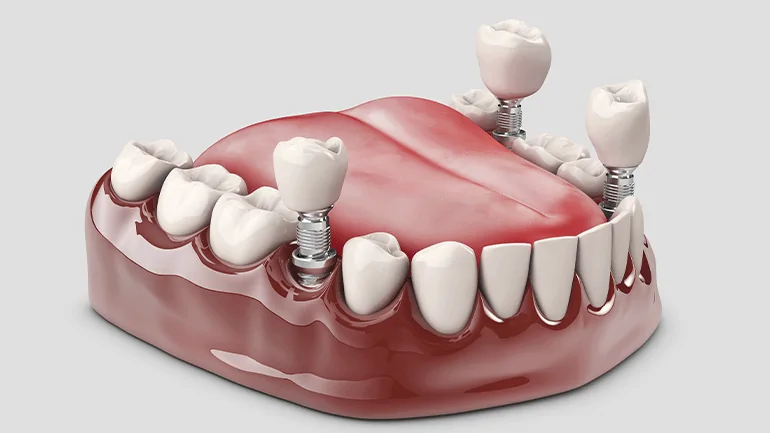
Getting dental implants can be life-changing—it restores not only your smile but also your confidence and ability to chew comfortably. But before you walk into the dental chair, there’s something equally important: preparation. Just like any surgical procedure, success depends largely on how well you prepare your body and mind for dental implant surgery.At Shivaay Dental Clinic and Implant Center, led by the best dentist in Indore, Dr. Rashmi Rathore Solanki, we guide patients through every stage—from pre-operative care to post-surgery recoveryLearn more about dental implants in Indore and start your journey toward a perfect smile. Understanding Gum Health and Periodontal DiseaseAV Dental implant surgery involves placing a titanium post into your jawbone, which acts as an artificial tooth root. This integrates with the bone through a process called osseointegration, ensuring long-term stability.Globally, dental implants have a success rate of 90–95%, according to the World Health Organization (WHO) and the American Dental Association (ADA). Proper preparation significantly increases your chances of smooth healing and long-term success. Initial Consultation & Pre-Operative Assessment The first step is a detailed consultation. Your dentist will examine your oral condition, take 3D scans or X-rays, and design a personalized treatment plan. Bring all relevant medical documents, including recent test results, and discuss your expectations openly. Disclosing Medical History Related Post How to Prepare for Dental Implant Surgery: Tips from the Experts 7 Warning Signs You Should Visit a Periodontist Immediately Bridal Smile Makeovers: What to Plan Before the Big Day Top Post The Role of Laser Dentistry in Treating Gum Diseases How to Prepare for Dental Implant Surgery: Tips from the Experts 10 Signs You Need to Visit a Dentist ASAP (And What Happens If You Don’t) Quick Enquiry Follow Us: Facebook Instagram Youtube Linkedin Twitter Be honest about your complete medical history. Conditions such as diabetes, hypertension, or heart disease can influence healing. Also, mention any allergies, especially to anesthesia or latex. Checklist to bring: List of current medications Known allergies Chronic diseases Past surgeries Medication & Supplement Guidelines Certain medications—especially blood thinners—can affect clotting during surgery. Always inform your dentist if you’re taking aspirin, ibuprofen, or herbal supplements like ginkgo or garlic, as they may interfere with anesthesia.Avoid self-medicating before surgery. Follow the prescription provided by your dentist for antibiotics or anti-inflammatory drugs. Lifestyle Modifications Before Surgery Quit smoking at least 1–2 weeks before surgery. Nicotine reduces blood flow to gums, increasing the risk of implant failure. Similarly, avoid alcohol 24 hours before and for two weeks after surgery. Stay hydrated, get enough sleep, and avoid strenuous activities right before your appointment. A calm body heals better. Oral Hygiene Routine Before Surgery Brush twice daily using a soft-bristled toothbrush. If prescribed, rinse with an antibacterial mouthwash (like chlorhexidine) a few days before the procedure to reduce bacteria. Avoid vigorous flossing that could irritate the gums. The cleaner your mouth, the lower your infection risk post-surgery. Fasting & Nutrition Preparation If your surgery will involve local anesthesia, have a light meal 1–2 hours before the procedure. For sedation or general anesthesia, fast for at least 6–8 hours. Prepare soft foods like yogurt, soups, and mashed potatoes in advance for your recovery days. The Day Before Surgery Confirm your appointment time, set out comfortable clothing, and arrange transportation. Pack your medication list and identification documents. Try to relax—listen to music or meditate to ease pre-surgery anxiety. Day of the Surgery – What to Expect Arrive early, wearing loose-fitting clothes. Your dentist will explain the process, administer anesthesia, and perform the procedure within 1–2 hours for a single implant. You’ll rest briefly afterward before being discharged with aftercare instructions. Post-Surgery Recovery Plan Expect mild swelling and discomfort for a few days. Apply ice packs, take prescribed medications, and avoid hard foods. Stick to soft diets for the first week—think smoothies, porridge, and soups. Recovery Timeline & Milestones Days 1–3: Swelling peaks; use ice packs. Week 1: Pain subsides; gentle brushing can resume. Weeks 3–6: Implant fuses with bone (osseointegration). 3–6 Months: Abutment and crown placement. Healing varies by person, but most patients return to normal life within a week. Cost & Procedure Options in India In Indore, single-tooth implants typically cost between ₹18,000 and ₹35,000, while full-mouth restorations can range from ₹3,00,000 to ₹8,00,000, depending on materials and complexity.For affordable and high-quality dental implant treatments, visit Shivaay Dental Clinic and Implant Center. Why Choose Shivaay Dental Clinic for Dental Implants in Indore Dr. Rashmi Rathore Solanki and her team specialize in advanced implantology, using 3D imaging and guided surgery for precision and comfort. The clinic is known for its patient-first approach and comprehensive post-surgery care—making it one of Indore’s most trusted dental centers. Conclusion Proper preparation can make your dental implant journey smoother, safer, and more successful. Follow expert guidelines, maintain good oral hygiene, and trust only experienced professionals.Ready to restore your smile? Schedule your consultation today with Shivaay Dental Clinic, the most trusted name for dental implants in Indore FAQs 1. How long should I fast before dental implant surgery? At least 6–8 hours if undergoing sedation; local anesthesia patients can eat 1–2 hours before. 2. Can I drive after my implant surgery? Not if you’ve been sedated—arrange a driver or companion. 3. What foods are best after surgery? Soft, nutritious foods like soups, oatmeal, and smoothies aid recovery. 4. How painful is dental implant surgery? Most patients report mild discomfort managed with pain medication. 5. When can I return to work? Usually within 2–3 days for light work; longer for strenuous jobs.
eeth 14 1
Uncategorized

7 Warning Signs You Should Visit a Periodontist Immediately

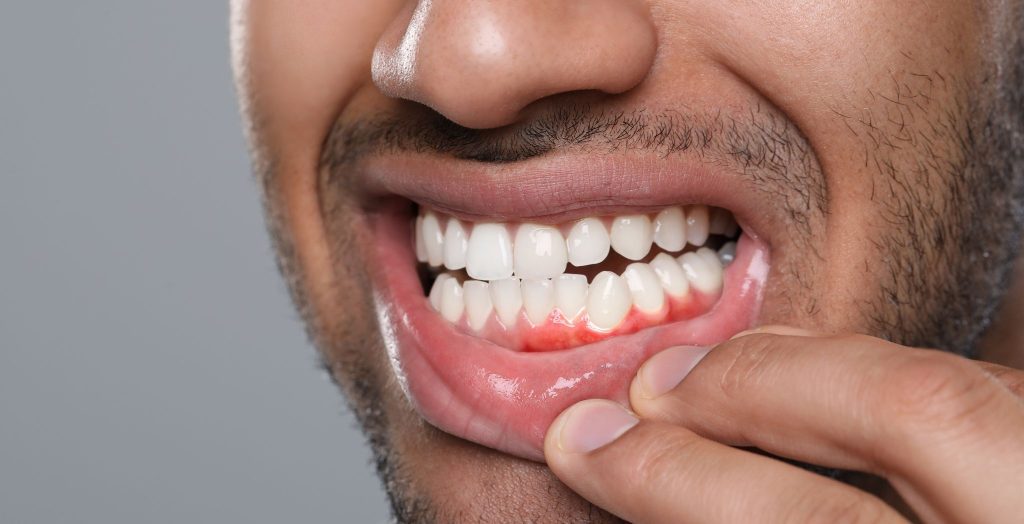
Did you know that nearly 62% of adults worldwide suffer from some form of gum disease — and most don’t even realize it until it’s too late? Gum health often takes a backseat to tooth care, but your gums are the foundation of your smile. Ignoring subtle symptoms like bleeding or swelling can quickly escalate into severe periodontal disease and even tooth loss.If you’ve noticed changes in your gums, it might be time to seek expert help from a periodontist — a dental specialist trained in treating gum and bone diseases that support your teeth. At Shivaay Dental Clinic and Implant Center, led by Dr. Rashmi Rathore Solanki, one of the most trusted Dentists in Indore, patients receive advanced periodontal care using the latest diagnostic and treatment technology. Understanding Gum Health and Periodontal Disease Healthy gums are firm, pink, and do not bleed easily. When bacteria build up along the gumline, they trigger inflammation that leads to gingivitis, the earliest stage of gum disease. Left untreated, it can progress to periodontitis, where infection reaches deeper tissues and causes bone loss.The key difference? Gingivitis is reversible, while periodontitis causes permanent damage. Early detection is your best chance to save your natural teeth — and your confidence. 1. Persistent Bad Breath (Halitosis) Everyone experiences bad breath occasionally, but persistent halitosis is a red flag. Gum infections harbor bacteria that produce sulfur compounds, causing foul odors even after brushing or using mouthwash. This type of bad breath indicates an active bacterial infection beneath the gums.If bad breath lingers despite good oral hygiene, it’s time to book an appointment with a periodontist who can diagnose the underlying infection and provide targeted treatment. 2. Bleeding or Swollen Gums Related Post How to Prepare for Dental Implant Surgery: Tips from the Experts 7 Warning Signs You Should Visit a Periodontist Immediately Bridal Smile Makeovers: What to Plan Before the Big Day Top Post The Role of Laser Dentistry in Treating Gum Diseases How to Prepare for Dental Implant Surgery: Tips from the Experts 10 Signs You Need to Visit a Dentist ASAP (And What Happens If You Don’t) Quick Enquiry Follow Us: Facebook Instagram Youtube Linkedin Twitter Seeing pink in the sink? Bleeding while brushing or flossing isn’t normal — it’s one of the earliest signs of gum disease. Swollen, tender gums indicate that harmful bacteria are irritating your gum tissues. Ignoring this can lead to deeper infections and gum recession.Early treatment at a professional clinic like Shivaay Dental Clinic can reverse inflammation before permanent damage occurs. Don’t wait until your gums start to hurt — bleeding is already your body’s warning sign. 3. Receding Gums Do your teeth look longer than they used to? That’s not just your imagination — it could be gum recession. This happens when the gum tissue pulls back, exposing the tooth roots. Besides being unattractive, it makes your teeth sensitive to hot and cold and increases the risk of decay.A periodontist can perform minimally invasive procedures to restore gum tissue and protect your teeth from further damage. Early diagnosis prevents future complications and tooth loss. 4. Loose or Shifting Teeth Loose or shifting teeth are a major indicator of advanced periodontitis. As the infection eats away at the bone supporting your teeth, they begin to lose stability. You may notice changes in your bite, or that flossing between teeth feels different.This is not a symptom to ignore. Immediate evaluation is critical to save your teeth and restore bone health. Visit a trustedA gum specialist in Indore at Shivaay Dental Clinic for professional assessment and stabilization treatments. 5. Pain While Chewing or Changes in Bite If chewing feels uncomfortable or your bite feels “off,” your gums or jawbone may be compromised. Periodontal infections can shift the alignment of your teeth, leading to pain, sensitivity, and even headaches.Specialists can identify whether inflammation or bone loss is causing these issues and provide appropriate treatment such as deep cleaning, laser therapy, or bite adjustment. 6. Tooth Sensitivity Sensitivity to hot, cold, or sweet foods could be more than enamel erosion — it may indicate receding gums or exposed tooth roots. This often signals advancing gum disease.Modern treatments, such as scaling and root planing or laser therapy, help reduce sensitivity by removing infection and promoting tissue healing. 7. Pus or Discharge Between Teeth and Gums The presence of pus is a sign of serious infection. It means bacteria have invaded the pockets around your teeth, forming abscesses. If left untreated, it can destroy gum tissue and bone.This is a dental emergency. Schedule a consultation immediately if you notice pus, swelling, or foul taste — it’s your body signaling an urgent need for periodontal care. Stages of Gum Disease Progression Stage Name Symptoms Reversibility Stage 1 Gingivitis Bleeding, mild swelling 100% Reversible Stage 2 Early Periodontitis Gum recession, mild bone loss Partially Reversible Stage 3 Advanced Periodontitis Loose teeth, bone damage Not Reversible Early treatment is your best defense. Once bone is lost, it can’t naturally grow back — but it can be managed with timely intervention. Systemic Health Links — More Than Just Your Mouth Periodontal disease isn’t confined to your gums — it can affect your whole body. Studies have shown links between gum infections and heart disease, diabetes, respiratory conditions, and pregnancy complications. When to See a Periodontist vs. a General Dentist General dentists handle routine checkups and cleanings, while periodontists specialize in treating severe gum and bone conditions. Persistent bleeding or swelling Receding or painful gums Loose teeth or bite changes For specialized Periodontitis Treatment In Indore, visit Shivaay Dental Clinic. Prevention and Early Treatment Prevention is always better — and cheaper — than cure.Here’s how you can protect your gums: Brush twice daily with fluoride toothpaste. Floss regularly to remove plaque between teeth. Schedule professional cleanings every 6 months. Avoid tobacco and manage blood sugar if diabetic. Early diagnosis can stop gingivitis before it turns into irreversible periodontitis. Why Choose Shivaay Dental Clinic for Gum Health At Shivaay Dental Clinic

thumbnail 3
Uncategorized

Bridal Smile Makeovers: What to Plan Before the Big Day

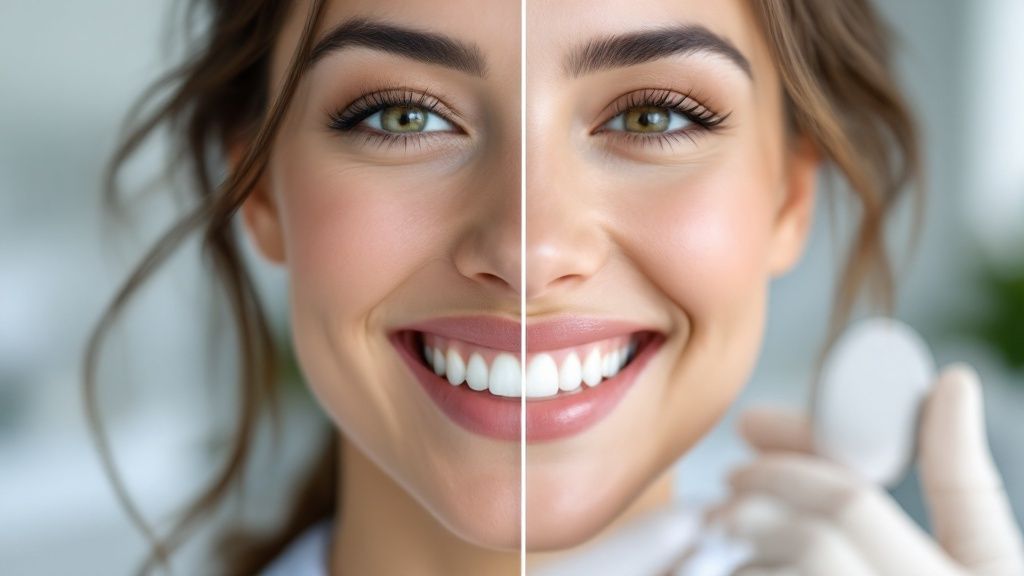
Introduction: Your Smile — The Most Memorable Accessory of Your Wedding Day Your wedding day is one of the most photographed days of your life. From candid moments to emotional vows, every picture captures you — and your smile. It’s no wonder more brides today are turning to bridal smile makeovers to achieve picture-perfect confidence before the big day.At Shivaay Dental Clinic and Implant Center, led by the best Dentist in Indore, Dr. Rashmi Rathore Solanki, we understand that every bride deserves a smile as radiant as her dress. Whether you need subtle enhancements or a complete smile transformation, proper planning ensures your bridal makeover is stress-free and stunning. 1️⃣ Why Your Smile Matters More Than Ever on Your Wedding Day Your smile is the centerpiece of your expression — it reflects your happiness, confidence, and personality. Studies show that people remember smiles more vividly than any other facial feature, making it the ultimate bridal accessory. A beautiful smile can enhance your photos, boost your self-esteem, and leave a lasting impression on everyone attending your celebration. 2️⃣ When Should You Start Your Bridal Smile Makeover? Timing is everything. The ideal time to start planning your bridal smile makeover in Indore is 6–12 months before the wedding. This allows enough time for consultations, personalized treatment planning, and natural healing or adjustment periods.If your wedding is only a few months away — don’t worry. Many treatments, like teeth whitening or dental bonding can deliver visible results in just a few weeks. 3️⃣ Step-by-Step Bridal Smile Timeline Related Post How to Prepare for Dental Implant Surgery: Tips from the Experts 7 Warning Signs You Should Visit a Periodontist Immediately Bridal Smile Makeovers: What to Plan Before the Big Day Top Post The Role of Laser Dentistry in Treating Gum Diseases How to Prepare for Dental Implant Surgery: Tips from the Experts 10 Signs You Need to Visit a Dentist ASAP (And What Happens If You Don’t) Quick Enquiry Follow Us: Facebook Instagram Youtube Linkedin Twitter Time Before Wedding Recommended Treatments Why It Matters 6–12 Months Clear aligners, braces, smile design Gradual changes, long-term results 3–6 Months Porcelain veneers, gum contouring Design and healing time 1–3 Months Professional whitening, bonding Instant glow and color uniformity 2 Weeks or Less Touch-ups, polish, minor adjustments Final perfection 4️⃣ Teeth Whitening – A Quick Pre-Wedding Glow-Up Whitening is the most requested bridal treatment — and for good reason. It removes stains from coffee, wine, or food, brightening your smile by up to 7–8 shades. Professional whitening at Shivaay Dental Clinic delivers faster, safer results than over-the-counter kits and helps avoid sensitivity issuesTip: Get whitening done at least 2 weeks before your wedding to allow teeth to settle into their natural brilliance. 5️⃣ Porcelain Veneers – The Celebrity-Style Transformation Want flawless, camera-ready perfection? Porcelain veneers can correct discolored, uneven, or chipped teeth, offering a long-lasting, natural look. Each veneer is custom-crafted to suit your facial features and wedding aesthetics — think of it as a designer gown for your teeth.Treatment takes 2–3 months, making it perfect for brides planning ahead. Veneers not only look stunning but also resist staining from wedding-day champagne and coffee! 6️⃣ Clear Aligners – Straighten Without the Metal If you’ve always wanted straighter teeth but dread metal braces, clear aligners like Invisalign are your discreet solution. They gradually align your teeth without impacting your pre-wedding look. Depending on your case, treatment may last 3–12 months. Even short-term aligner programs can make noticeable improvements before your wedding photoshoot. 7️⃣ Dental Bonding – Fast Fix for Chips and Gaps Need a quick yet powerful fix? Dental bonding uses composite resin to fill gaps, reshape uneven edges, or fix small cracks in just one visit. It’s affordable, painless, and perfect for last-minute smile enhancements before your big day. 8️⃣ Gum Contouring – Framing the Perfect Smile Sometimes, it’s not your teeth but your gums that affect your smile’s symmetry. Gum contouring or reshaping can correct a “gummy smile” or uneven gum lines. Healing usually takes 2–3 weeks, so schedule this at least a month before your event for optimal recovery. 9️⃣ Combination Treatments for a Complete Bridal Smile Many brides combine treatments — such as veneers with whitening or bonding with contouring — to achieve comprehensive results. At Shivaay Dental Clinic, personalized smile design plans use advanced digital imaging to simulate your “before and after” results before treatment even begins.👉 Learn more about Bridal Smile Makeovers in Indore at Shivaay Dental Clinic. 10️⃣ Cost of a Bridal Smile Makeover Your wedding smile is an investment in confidence and lifelong memories. The cost varies depending on treatments chosen: Treatment Approximate Cost (₹) Duration Whitening ₹8,000 – ₹15,000 1–2 weeks Veneers ₹10,000 – ₹25,000 per tooth 2–3 months Aligners ₹60,000 – ₹1,50,000 6–12 months Bonding ₹3,000 – ₹6,000 per tooth Single visit Gum Contouring ₹10,000 – ₹20,000 2–3 weeks If you’re unsure which option suits you best, your dentist will assess your oral condition and recommend a solution that fits your goals and budget. 11️⃣ Maintaining Your Bridal Smile After the Wedding After your big day, you’ll still want your beautiful smile to last. Follow these tips: Brush twice daily with fluoride toothpaste. Schedule professional cleanings every 6 months Avoid dark beverages like coffee or red wine post-whitening. Wear retainers if you completed aligner treatment. Your post-wedding glow deserves long-lasting care. 12️⃣ Why Choose Shivaay Dental Clinic for Your Bridal Makeover When it comes to cosmetic dentistry in Indore, Dr. Rashmi Rathore Solanki and her team combine artistry with technology to design bespoke bridal smiles. Using 3D smile design, laser whitening, and advanced veneers, the clinic ensures comfort, precision, and perfection for every bride. Experience the transformation at Shivaay Dental Clinic and Implant Center — where your dream smile meets expert care. 13️⃣ Call to Action – Book Your Bridal Smile Consultation Today Your big day deserves nothing less than your most radiant self. Don’t wait until the last minute — book your bridal smile makeover consultation in

crowns vs bridges el paso dentist
Uncategorized

Dental Crowns vs. Bridges: Which Option Is Right for You?

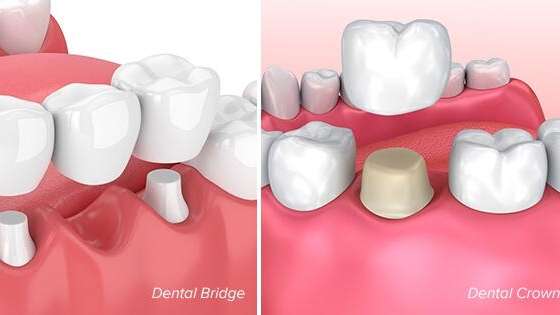
If you’ve lost or damaged a tooth, you’ve likely heard about dental crowns and bridges — two of the most common restorative treatments in modern dentistry. Both restore your smile, improve function, and protect your oral health, but they serve different purposes. So, which one is right for you? Let’s explore the key differences, costs, benefits, and longevity to help you make an informed choice. What Is a Dental Crown? A dental crown is a custom-made “cap” placed over a damaged or decayed tooth to restore its shape, strength, and appearance. Think of it as a protective shield that keeps your tooth safe from further harm. Crowns are typically used when: A tooth is cracked, worn down, or has a large cavity After a root canal treatment To improve the appearance of a discolored or misshapen tooth Crowns can be made from materials like porcelain, zirconia, metal, or ceramic, depending on your aesthetic needs and budget. On average, crowns last 10 to 20 years with good care. What Is a Dental Bridge? A dental bridge replaces one or more missing teeth by “bridging” the gap using adjacent healthy teeth as anchors. It consists of two crowns (on the supporting teeth) and a false tooth (pontic) in between. Bridges are ideal when: You’ve lost one or two teeth in a row The adjacent teeth are strong enough to support the bridge You prefer a fixed, non-removable solution Related Post How to Prepare for Dental Implant Surgery: Tips from the Experts 7 Warning Signs You Should Visit a Periodontist Immediately Bridal Smile Makeovers: What to Plan Before the Big Day Top Post The Role of Laser Dentistry in Treating Gum Diseases How to Prepare for Dental Implant Surgery: Tips from the Experts 10 Signs You Need to Visit a Dentist ASAP (And What Happens If You Don’t) Quick Enquiry Follow Us: Facebook Instagram Youtube Linkedin Twitter With proper oral hygiene, dental bridges can last 10–15 years and help prevent neighboring teeth from shifting out of alignment. Key Differences Between Crowns and Bridges Feature Dental Crown Dental Bridge Purpose Covers & strengthens a damaged tooth Replaces one or more missing teeth Structure Single tooth cap Series of crowns & artificial tooth Procedure Time 1–2 appointments 2–3 appointments Average Lifespan 10–20 years 10–15 years Cost in Indore (approx.) ₹8,000–₹18,000 per tooth ₹18,000–₹54,000 (3-unit bridge) Best For Damaged, weak, or root canal-treated teeth Gaps from missing teeth Both treatments offer aesthetic and functional restoration, but your choice depends on whether your natural tooth is still present or missing. Procedure Overview Both crowns and bridges follow a similar process: Consultation: Your dentist examines your teeth and may take digital scans. Preparation: The tooth (or abutment teeth) is shaped to fit the restoration. Impression: A mold or scan is taken to design your custom crown or bridge. Temporary Placement: A temporary version protects your teeth. Final Placement: The permanent restoration is cemented in place for a perfect fit. Most treatments are completed within 2–3 weeks, though some clinics offer same-day crowns using CAD/CAM technology. Durability and Longevity According to the American Dental Association (ADA), both crowns and bridges have high success rates when maintained properly: Crowns: 80–90% survival rate at 10 years Bridges: 79–82% survival rate at 10 years Zirconia crowns offer the best durability (90–95% over 10 years) (Source: ADA – Oral Health Topics)Regular checkups, good hygiene, and avoiding hard foods can significantly extend their lifespan. Cost Comparison in Indore Type Average Cost (₹) Durability Best Use Porcelain Crown ₹8,000–₹12,000 10–15 years Front teeth (aesthetics) Zirconia Crown ₹10,000–₹18,000 15–20 years Back teeth (strength) 3-Unit Bridge ₹18,000–₹54,000 10–15 years Replacing one missing tooth Metal Bridge ₹6,000–₹8,000 8–12 years Budget-friendly option Prices depend on material choice, complexity, and your dentist’s expertise.For detailed treatment plans and exact quotes, visit👉 Shivaay Dental Clinic and Implant Center — one of the best dental clinics in Indore, led by Dr. Rashmi Rathore Solanki. When to Choose a Crown vs. Bridge Choose a Crown if: You still have a natural tooth root The tooth is cracked or weakened but salvageable You want a long-term restoration that looks natural Choose a Bridge if: One or more teeth are missing You’re not ready for or cannot get dental implants You prefer a faster, cost-effective replacement solution If you’re unsure which option suits you best, your dentist will assess your oral condition and recommend a solution that fits your goals and budget. Aftercare Tips for Crowns and Bridges To maintain your restoration for years: Brush twice daily using fluoride toothpaste Floss carefully, especially under bridges (use floss threaders) Avoid biting hard foods like nuts or ice Visit your dentist regularly for checkups and cleanings Use a night guard if you grind your teeth Why Choose Shivaay Dental Clinic for Crowns and Bridges in Indore At Shivaay Dental Clinic and Implant Center, led by Dr. Rashmi Rathore Solanki, patients receive the most advanced dental crowns and bridges in Indore. The clinic uses cutting-edge CAD/CAM technology, premium materials, and personalized treatment plans to ensure both comfort and precision.Learn more or book your consultation here:👉 Dental Crowns and Bridges in Indore Call to Action Whether you need to restore a single tooth or multiple missing ones, a crown or bridge can transform your smile and confidence. Visit Shivaay Dental Clinic and Implant Center today and discover which option suits you best. FAQs 1. Which lasts longer — a crown or a bridge? Crowns generally last longer, up to 20 years, while bridges last 10–15 years with proper care. 2. Are crowns and bridges painful? Not at all. Modern anesthesia makes both procedures virtually pain-free. 3. Can I eat normally with a dental bridge? Yes, after a short adjustment period, you can eat comfortably again. 4. How soon can I get a crown after a root canal? Usually within 1–2 weeks, once the tooth has settled. 5. Do crowns and bridges look natural? Absolutely — modern materials like zirconia and ceramic mimic the color and translucency of natural teeth.

Blog Image 1 01 1
Uncategorized

Veneers vs Bonding: The Better Option for Your Smile?

Introduction If you’re dreaming of a brighter, more confident smile, Shivaay Dental Clinic is here to guide you through two popular cosmetic options: veneers and bonding. Both can transform your teeth’s appearance dramatically, but the best choice depends on your aesthetic goals, budget, and dental health. In this detailed guide, we’ll explore what each treatment involves, how they differ, and which one may suit your unique smile journey. Understanding Veneers and Bonding Porcelain Veneers Veneers are custom-made, ultra-thin shells (often porcelain) bonded to the front surface of teeth. They correct discoloration, chips, major misalignments, and gaps. Their durability (10–15 years or more) and stain resistance make them a top choice for lasting cosmetic upgrades (“Veneer (dentistry)” . Composite Bonding Bonding, also known as dental or composite bonding, uses tooth-colored resin to mask minor chips, gaps, and discolorations. It’s minimally invasive, inexpensive, and typically completed in one visit—though it lasts shorter (~5–7 years) and is less resistant to stains . Who Is Each Option Best For? Choose Veneers If You Need: A full smile makeover for stained, misaligned, or worn teeth A long-term, durable solution with high stain resistance A permanent aesthetic improvement and are comfortable with enamel preparation Ideal for those ready to commit to more extensive cosmetic change. Related Post Veneers vs Bonding: The Better Option for Your Smile? How Cosmetic Dentistry Can Boost Self‑Confidence & Career Image Skipping Teeth Replacement? 5 Risks of Leaving Tooth Gaps Unaddressed Top Post The Role of Laser Dentistry in Treating Gum Diseases Hello world! 10 Signs You Need to Visit a Dentist ASAP (And What Happens If You Don’t) Quick Enquiry Follow Us: Facebook Instagram Youtube Linkedin Twitter Opt for Bonding If You Want: A quick, affordable fix for minor imperfections A non-invasive, reversible treatment Low-maintenance results with occasional touch-ups as needed Perfect for small, cosmetic tweaks without committing to major changes. Which Lasts Longer? Veneers or Bonding? According to dental practice sources: Veneers, especially porcelain, can last 10–15 years or more, while composite versions last about 5–7 years. Composite bonding typically lasts up to 7 years but is prone to staining and chipping. Making the Right Choice Here’s a quick decision framework: 1. Scope of change Minor flaw correction? → Bonding Major enhancements & consistency? → Veneers 2. Budget vs longevity Limited budget/preferences for reversibility? → Bonding Investing for long-term elegance? → Veneers 3. Time & invasiveness Want results today? → Bonding Planning for long-term smile transformation? → Veneers 4. Lifestyle & habits Heavy coffee/wine intake? → Veneers (stain-resistant) Less exposure to stains? → Bonding may work Caring for Your New Smile Daily oral hygiene: Brush gently and floss regularly Avoid hard foods/tools: Prevents chipping/resin wear Limit staining drinks & habits: Especially for bonded teeth Routine check-ups: Ensure longevity and address wear early Night guard if needed: Protects veneers or bonded teeth from grinding Key Differences Between Veneers And Bonding Feature Veneers Bonding Material Porcelain (lab-made) Composite resin (chairside) Durability 10–15+ years 5–7 years Stain Resistance High Moderate—may discolor over time Procedure Time 2–3 visits over weeks Single appointment Tooth Preparation Enamel removal (~0.5 mm) Minimal or none Cost Higher – lab work required Lower – simple chairside treatment Reversibility Irreversible once enamel is removed Reversible and easy to modify Frequently Asked Questions (FAQs) Q1. Is bonding or veneers better for front teeth gaps? For minor gaps, bonding is quick and effective. For larger gaps or alignment issues, veneers provide a more durable, aesthetic solution. Q2. How much do veneers vs bonding cost? Bonding is less expensive initially, but veneers offer greater longevity and may be more cost-effective long-term. Q3. Can bonding be reversed? Yes—bonding is minimally invasive and can be easily removed or replaced without damaging the enamel. Q4. Do veneers stain? Porcelain veneers resist stains, but natural teeth can still discolor. Bonding resin is more susceptible. Q5. Which is more natural looking? Veneers, with porcelain’s translucence and refinement, offer the most realistic appearance. Q6. How long does each process take?How long does each process take? Bonding is typically done in one visit (1–2 hours), while veneers require 2–3 visits over a few weeks. Q7. Can I switch from bonding to veneers later? Absolutely—composite bonding can be replaced if you later decide on veneers. Internal Links to Explore Learn more about veneers and their role in a smile makeover. Prefer less invasive fixes? Discover our [composite bonding] options (internal service page link if available). Conclusion & Call to Action Ultimately, both veneers and bonding can help you achieve a radiant smile—but the right choice depends on your goals, budget, and lifestyle. At Shivaay Dental Clinic, Dr. Rashmi Rathore Solanki provides tailored, expert guidance to choose the best path for your smile. ✅ Ready to transform your smile? 📞 Call us at +91 78695 84612 🌐 Book your consultation online!

Blog Image 1 01 1
Uncategorized

How Cosmetic Dentistry Can Boost Self‑Confidence & Career Image

Introduction At Shivaay Dental Clinic, led by cosmetic dentistry expert Dr. Rashmi Rathore Solanki, we’ve witnessed firsthand how a refreshed, radiant smile can reshape self-image and even professional trajectories. Cosmetic dentistry—including smile makeovers and the subtle sparkle of dental jewellery—doesn’t just enhance appearance—it truly boosts self-confidence and career impact. Let’s explore how these treatments play a transformative role in both personal and professional spheres. Why Your Smile Matters in Confidence & Career By replacing missing teeth promptly, you maintain tooth alignment and prevent such complications. First impressions count: A striking smile is one of the first things people notice, making you appear more approachable, trustworthy, and competent . Psychological lift: Studies in journals like Journal of Cosmetic Dentistry and BMC Psychology confirm that dental aesthetics significantly elevate self-esteem and mental well-being 1. Career advantage: Nearly 74% of adults say an unattractive smile negatively affects career success, while a confident smile equips you to network, present, and lead effectively. Your smile is both an emotional boost and a career-enhancing asset. Key Cosmetic Treatments That Inspire Confidence Smile Makeover A holistic treatment combining multiple cosmetic procedures—veneers, whitening, lasers, bonding—to create a harmonious smile. Patients report improved social engagement and quality of life after a smile makeover. Explore your options: Smile Makeover Related Post How Cosmetic Dentistry Can Boost Self‑Confidence & Career Image Skipping Teeth Replacement? 5 Risks of Leaving Tooth Gaps Unaddressed Dental Implants vs Bridges: Which One Is Right for You? Top Post The Role of Laser Dentistry in Treating Gum Diseases Hello world! 10 Signs You Need to Visit a Dentist ASAP (And What Happens If You Don’t) Quick Enquiry Follow Us: Facebook Instagram Youtube Linkedin Twitter Choose dental implants, the gold standard for replacing missing teeth. They preserve bone, look natural, and promote oral health my.clevelandclinic.org. If implants aren’t suitable, consider bridges or dentures—but understand they won’t prevent bone loss. Maintain meticulous oral hygiene: brush twice daily, floss, and rinse with antiseptic mouthwash. Visit us regularly for professional cleanings and periodontal assessments. Choose dental implants, the gold standard for replacing missing teeth. They preserve bone, look natural, and promote oral health my.clevelandclinic.org. If implants aren’t suitable, consider bridges or dentures—but understand they won’t prevent bone loss. Maintain meticulous oral hygiene: brush twice daily, floss, and rinse with antiseptic mouthwash. Visit us regularly for professional cleanings and periodontal assessments. Dental Jewellery Add a bit of artistry with subtle, tasteful tooth crystals. It’s a creative way to enhance your smile’s uniqueness and draw warmth and attention—ideal for professionals wanting a distinctive yet polished look [internal link to dental jewellery page]. The Confidence-Career Connection 1. Improved Communication When you’re proud of your smile, you’re more likely to speak up—whether at meetings, interviews, or social events. 2. Stronger First Impressions Studies show that we judge competence and professionalism within moments—and your smile plays a major role . 3. Leadership Presence A welcoming, confident smile signals emotional intelligence and composure—qualities essential in leadership roles. Real-Life Impact Patients often share stories like: “After my smile makeover, I was no longer hesitant to present at work. My colleagues noticed my new confidence immediately.” These aren’t just personal wins—they lead to career momentum and opportunity. What Cosmetic Dentistry Can Do For You Treatment Cosmetic Effect Confidence & Career Impact Teeth Whitening Bright, stain-free smile Feels more energetic and approachable Veneers Even, uniform teeth with natural appearance Increased self-esteem; noticeable professionalism Bonding & Contouring Reshape chips, close minor gaps Boosts confidence in personal interactions Dental Jewellery Stylish sparkle for individuality Memorable, confident personal brand FAQs Q1. Can cosmetic dentistry really improve work performance? Yes. A confident smile enhances interactions, presentations, and perceived credibility. Q2. Is a smile makeover covered by insurance? Usually not—but consider it a long-term investment in self-esteem and career image. Q3. Will adding dental jewellery be too flashy for work? It can be subtle and tasteful—ideal for professionals who want a unique yet polished touch. Q4. How long till I see confidence results? Many patients report noticeable changes in social behavior and mindset soon after treatment. Q5. Is cosmetic dentistry painful? Most procedures are minimally invasive. Veneers, bonding, and whitening typically involve little to no discomfort. Q6. Are results permanent? Results last years with proper care—veneers and whitening can be maintained through regular check-ups. Q7. When’s the right time for a smile makeover? When you feel your smile holds you back—at work, socially, or emotionally. There’s no better time than now. Ready to Elevate Your Smile—and Your Image? Transforming your smile could be the catalyst for both personal and professional confidence. At Shivaay Dental Clinic, Dr. Rashmi offers customized cosmetic plans to match your style, goals, and career aspirations. 📞 Call: +91 78695 84612 🌐 Book online: Smile Makeover | Dental Jewellery ✨ Step into confidence—one smile at a time!

Blog Image 1 01 1
Uncategorized

Skipping Teeth Replacement? 5 Risks of Leaving Tooth Gaps Unaddressed

Introduction A missing tooth might seem minor, but at Shivaay Dental Clinic, we understand how leaving a gap unfilled can snowball into serious issues. As specialists in dental implants and periodontal care, we see firsthand how tooth gaps can affect your overall oral health. From bone deterioration to shifting teeth and even aesthetic concerns, the consequences are real—and timely replacement is vital.In this comprehensive post, we explore the top 5 risks of skipping tooth replacement, backed by research and clinical insights, helping you make informed decisions for your smile. 1. Jawbone Deterioration & Facial Collapse When a tooth is lost, the jawbone beneath it stops receiving stimulation from biting and chewing. Without this, the bone gradually resorbs—and alarmingly, up to 25% of bone mass can be lost in the first year.This bone loss not only compromises structural health but also impacts facial aesthetics—leading to hollow cheeks and a prematurely aged appearance . Early replacement with dental implants mimics natural tooth roots, preserving bone and preventing this deterioration. 2. Teeth Shifting & Bite Issues Unused spaces in your smile invite neighboring teeth to drift or tilt toward the gap. Misalignment like this can affect your bite function, chew efficiency, and overall oral harmony. When teeth shift, it may lead to: Problems with biting/chewing Excessive wear or fractures Jaw discomfort or TMJ symptoms By replacing missing teeth promptly, you maintain tooth alignment and prevent such complications. Related Post Skipping Teeth Replacement? 5 Risks of Leaving Tooth Gaps Unaddressed Dental Implants vs Bridges: Which One Is Right for You? Dental Implants: Types, Cost, Procedure, Surgery, Benefits, & Care Top Post The Role of Laser Dentistry in Treating Gum Diseases Hello world! 10 Signs You Need to Visit a Dentist ASAP (And What Happens If You Don’t) Quick Enquiry Follow Us: Facebook Instagram Youtube Linkedin Twitter 3. Higher Risk of Gum Disease & Periodontal Issues Gaps make it easier for food debris to get stuck—creating a haven for plaque buildup and harmful bacteria. Over time, these can lead to periodontal disease, which includes gum recession, infection, and further bone loss. Left untreated, gum disease can spread, resulting in more tooth loss. At Shivaay, Dr. Rashmi emphasizes comprehensive periodontal care to prevent and manage these consequences. 4. Overload on Adjacent Teeth & Prosthetics Adjacent teeth absorb increased stress after losing a tooth. Whether they support a bridge or compensate for a gap during chewing, this uneven wear can damage otherwise healthy teeth . Moreover, partial dentures resting on gums may cause discomfort and bone shrinkage if not properly supported. Dental implants distribute bite force naturally, reducing overloading on nearby teeth . 5. Speech Problems & Dietary Impact Mouth gaps—especially visible teeth—can alter speech by affecting tongue contact with the palate or adjacent teeth. You might notice whistling, lisps, or difficulty articulating certain sounds. Missing molars can also limit your ability to chew properly, limiting the variety of foods you can digest. This can hinder nutrition and overall health. Replacing missing teeth helps restore normal speech and diet. How to Prevent These Problems Choose dental implants, the gold standard for replacing missing teeth. They preserve bone, look natural, and promote oral health my.clevelandclinic.org. If implants aren’t suitable, consider bridges or dentures—but understand they won’t prevent bone loss. Maintain meticulous oral hygiene: brush twice daily, floss, and rinse with antiseptic mouthwash. Visit us regularly for professional cleanings and periodontal assessments. Our Periodontal Disease service offers expert gum care to stop and reverse early-stage issues—often linked to untreated tooth gaps. Frequently Asked Questions (FAQs) Q1. 1. What happens if I wait too long to replace a missing tooth? Bone loss accelerates early on—up to 25% within a year—affecting facial structure and future replacement success. Q2. Can dentures prevent bone loss? No. Dentures rest on gums and don’t stimulate the jawbone. Only implants simulate natural root stimulation Q3. Am I at risk of gum disease because of a tooth gap? Yes—spaces make it easy for food to accumulate, increasing the risk of plaque, gum inflammation, and periodontal disease. Q4. Will tooth gaps affect my speech? Missing front teeth often impact words requiring tongue-palate contact. Even molar gaps can change bite and speech subtly. Q5. Will tooth gaps affect my speech? Missing front teeth often impact words requiring tongue-palate contact. Even molar gaps can change bite and speech subtly. Q5. How long after extraction should I replace the tooth? As soon as possible. Early replacement, ideally within a few months, helps preserve bone volume. Q6. Are dental implants painful? Implant surgery is performed under local anesthesia. Most patients report minimal discomfort afterward—more like a routine extraction. Q7. How do implants compare to bridges in terms of health benefits? Implants preserve bone and protect adjacent teeth. Bridges don’t support bone health and may stress neighboring teeth. Conclusion & Call to Action Keeping a gap in your smile isn’t just an aesthetic issue—it carries real risks: bone loss, shifting teeth, infection, functional limitations, and more. At Shivaay Dental Clinic, Dr. Rashmi Rathore Solanki offers expert solutions tailored to your needs. Whether it’s dental implants or addressing periodontal disease, we’re here to protect your oral health step-by-step. Don’t wait—act early! Book your consultation now to discuss tooth replacement and periodontal care: 📞 +91 78695 84612 | Contact Us

Blog Image 2 01 1
Uncategorized

Dental Implants vs Bridges: Which One Is Right for You?

What Is a Dental Bridge? Imagine you’re missing a tooth, and the two teeth next to that gap are like pillars. A dental bridge uses those two neighboring teeth to hold a new “fake” tooth in between, creating a bridge across the gap. It’s a tried-and-true method that’s been around for a long time, and many people have had great success with it. What’s nice about a bridge is that it doesn’t involve surgery. If your surrounding teeth are strong and healthy, the process is relatively quick, usually done within a couple of visits. Some patients like that it feels simple and familiar. That said, it does require shaping those neighboring teeth to hold the bridge in place, which might not always be ideal. And while the bridge looks natural, it may not feel quite as close to your original tooth as an implant does. What Is a Dental Implant? Now, let’s talk about implants. A dental implant is a bit more high-tech, but in a good way. It involves placing a small titanium post into the jawbone—don’t worry, it sounds scarier than it is! That post acts like the root of your lost tooth, and we place a crown (the part that looks like a tooth) on top. The result? A replacement that looks, feels, and functions almost exactly like your natural tooth. I remember one patient, Ravi, who lost a front tooth in a bike accident. He was young, active, and didn’t want to worry about something shifting when he laughed or chewed. We chose an implant. Months later, he said he often forgot which tooth was the implant, because it felt so real. Of course, implants take a bit more time and planning. Healing can take a few months, and you do need enough healthy bone in your jaw. But when done well, they’re incredibly strong and long-lasting. Related Post Dental Implants vs Bridges: Which One Is Right for You? Dental Implants: Types, Cost, Procedure, Surgery, Benefits, & Care The Role of Laser Dentistry in Treating Gum Diseases Top Post The Role of Laser Dentistry in Treating Gum Diseases 10 Signs You Need to Visit a Dentist ASAP (And What Happens If You Don’t) Hello world! Quick Enquiry Follow Us: Facebook Instagram Youtube Linkedin Twitter Pros and Cons of Each Option Here’s how I usually break it down in simple terms: Bridges are faster, slightly less expensive upfront, and don’t require surgery. But they rely on neighboring teeth and may need replacement over time. Implants feel and function more like your original tooth, don’t impact surrounding teeth, and often last longer. But they cost more initially and require minor surgery. So… which is better: dental implants or bridges for missing teeth? That depends on your unique health, goals, and comfort. Longevity and Maintenance Patients often ask me, “How long will it last?” A dental bridge typically lasts 7–15 years with good care. But since other teeth support it, if those teeth develop problems, it may shorten that timeline. Implants, on the other hand, can last 20 years or more—sometimes even for life—if cared for properly. Since they integrate with your jawbone, they’re incredibly stable. Just brush, floss, and visit us regularly. Nothing fancy. Cost: The Real-Life Impact Let’s talk honestly about cost. Bridges are usually more affordable in the short term, which is why some patients go that route. Implants cost more upfront, mostly because of the materials, surgical steps, and longer timeline. But here’s something I always ask my patients to think about: “What’s the cost if you have to redo it in a few years?” In many cases, the long-term value of implants makes up for the higher initial price. We always look at your budget, insurance, and priorities together. Comfort and Looks — How It Affects Confidence A lot of people don’t realize how much a missing tooth affects their confidence. It’s not just about chewing—it’s about smiling in a photo or ordering food without covering your mouth. Implants tend to feel more natural and don’t shift or move. Bridges, while very lifelike, can sometimes feel slightly different over time. At the end of the day, I want you to feel proud of your smile again. That moment when a patient looks in the mirror and smiles—smiles—it never gets old for me. What Would I Recommend If You Were My Family? I get this question a lot: “Doc, what would you do if it were your wife? Your brother?” Here’s my answer: If the patient is healthy, has good bone structure, and wants the most natural and long-term solution, I lean toward implants. But if someone has medical issues, a limited budget, or wants a quicker fix, bridges can be a great choice too. No pressure. Just a thoughtful, informed decision based on you. Final Thoughts Whether you’re leaning toward a dental bridge or an implant, I hope this helped you feel more informed—and a little more supported. It’s okay to have questions. It’s okay to feel unsure. That’s why I’m here. What matters most is that you feel confident, cared for, and heard throughout the process. You deserve a smile that brings you joy again. Q1. Is a dental implant painful? Not really! Most patients say the discomfort is less than they expected. We use numbing and gentle techniques, and recovery is usually smooth. Q2. How do I know if a dental bridge is right for me? If you have strong, healthy teeth on either side of the gap and want a quicker solution, a bridge might be a great option. Q3. Can implants fall out? Once healed, they’re extremely secure. With good care, they rarely fail.

Blog Image 1 01 1
Uncategorized

Dental Implants: Types, Cost, Procedure, Surgery, Benefits, & Care

dental implants — maybe after a long journey with illness, or perhaps due to tooth loss that’s affected confidence, speech, or the ability to enjoy meals. First, let me say this: you’re not alone. Many of my patients, especially those who’ve undergone cancer treatments or major surgeries, face the same questions and worries. Let’s talk, heart to heart, about what dental implants are, why they matter, and what you can expect — not just from the procedure, but from the experience as a whole. What are Dental Implants? Let’s talk about something that comes up a lot — losing a tooth. It’s more common than people think, and honestly, it can feel like a bigger loss than most expect. It’s not just about how it looks. It’s the way you chew, speak, and sometimes even how much you want to smile in a photo. That’s where dental implants come in. If you’ve been wondering how dental implants work to replace missing teeth, let me walk you through it, simply. A dental implant is a small metal post, usually titanium, placed in the jaw where the root of your tooth used to be. Sounds intense, but it’s not as scary as it sounds. Over the next few months, your bone slowly grows around it. The body accepts it, holds onto it, like it belongs there. That’s what makes it so stable. Once it’s healed and strong, we attach a crown — that’s the part that looks and acts like your real tooth. It’s not just a cap or a cover; it’s something you can use. You’ll eat with it, speak with it, forget it’s even there. In short, it’s not just about replacing a tooth. It’s about bringing things back to how they were — so you can enjoy your meals again, laugh without covering your mouth, and feel like yourself. And that’s what we want for you. Related Post Dental Implants: Types, Cost, Procedure, Surgery, Benefits, & Care The Role of Laser Dentistry in Treating Gum Diseases Why Laser Dentistry Is a Game-Changer for Pain-Free Treatments Top Post The Role of Laser Dentistry in Treating Gum Diseases 10 Signs You Need to Visit a Dentist ASAP (And What Happens If You Don’t) Hello world! Quick Enquiry Follow Us: Facebook Instagram Youtube Linkedin Twitter Types of Dental Implants One of the most common questions I get, especially from patients who’ve been through a lot medically, is this: “Are there different kinds? Which dental implant is right for me?” It’s an honest question, and an important one. Because the truth is, not every dental implant is the same, and more importantly, not every mouth is the same either. Let me walk you through the two main types we usually talk about. Nothing technical — just the kind of explanation I’d give to my own family. Endosteal Implants (placed inside the bone) These are the kind we use most often. Endosteal implants are placed directly into your jawbone — sort of like a tiny screw that stands in for a missing tooth root. Over time, your bone gently grows around it and holds it steady, almost like it’s part of your body. If your bone is healthy and strong — or hasn’t shrunk too much over time — this might be the right option for you. For many people, it becomes so natural that they don’t even think about it anymore. They chew, smile, and laugh like they used to, without even realizing it’s not their original tooth. Subperiosteal Implants (resting above the bone) Now, there’s another route for some patients — especially those who’ve lost a lot of bone over time, or can’t go through a bone graft. Subperiosteal implants don’t go into the bone. Instead, they sit on top of it, underneath the gum. A custom-made frame supports your new teeth from above, rather than being anchored deep inside. It’s a bit like finding a new way to hang a painting if the original hook is missing — the picture still goes up, just with a different approach. It’s often a good choice for patients who’ve had health challenges or jawbone loss but still want the stability and freedom of dental implants. Dental Implant Cost Let’s be honest — when we talk about dental treatments, cost is one of the first things that comes up. And that’s fair. If you or your loved one has already gone through health challenges, the idea of another medical expense can feel heavy. So let’s take a moment to look at this together, calmly and clearly. If you’re wondering whether dental implants are worth the cost in the long run, let’s look at the full picture. Dental implants aren’t just about replacing a missing tooth. They’re about bringing back something we often take for granted — the ability to eat without worry, smile without feeling self-conscious, and speak with ease. They can restore more than your bite; they restore confidence, normalcy, even joy. Now, to the practical side. Yes, implants are more expensive upfront than dentures or bridges. But they’re also built to last. With proper care, an implant can stay strong and stable for decades, sometimes even a lifetime. Compare that with the maintenance, replacement, or discomfort that can come with other options, and suddenly, the picture shifts. That said, I know it’s not just about “worth it.” It’s about whether I can manage this? Costs vary depending on your specific needs — how many teeth are being replaced, whether you need additional procedures like bone grafting, and of course, the clinic’s experience and location. But more and more clinics today offer flexible payment plans and EMI options. That can take a huge burden off your shoulders. If you’re considering implants, start with a consultation. Let your dentist know your goals, your health history, and yes, your budget. A caring team will always help you understand your choices, without pressure. You deserve clear answers, time to think, and support that meets you where

laser dentistry0504
Uncategorized

The Role of Laser Dentistry in Treating Gum Diseases

Gum disease, also known as periodontal disease, is one of the most common dental problems. It starts with swollen or bleeding gums but can quickly escalate to tooth loss if left untreated. The good news? Modern technology, like laser dentistry, has made treating gum disease easier, less painful, and more effective than ever. Let’s dive into how laser dentistry works, why it’s a game-changer, and how it’s helping patients with gum disease get their oral health back on track. What Is Gum Disease? Gum disease happens when bacteria and plaque build up around your teeth and gums, leading to inflammation and infection. It occurs in two main stages:1. Gingivitis: The early stage, where gums become red, swollen, and bleed easily.2. Periodontitis: The advanced stage, where the infection spreads to the bone and tissues supporting your teeth, potentially leading to tooth loss. Common Symptoms of Gum Disease: Bleeding gums during brushing or flossing. Persistent bad breath. Swollen, tender, or receding gums. Loose teeth or changes in how your teeth fit together. How Laser Dentistry Works for Gum Disease Laser dentistry uses a highly focused beam of light to target and treat diseased gum tissue. The laser is precise and can remove bacteria, infected tissue, and plaque buildup without harming healthy tissue. This modern technology has replaced many traditional tools like scalpels, making the treatment less invasive and more comfortable for patients. Benefits of Laser Dentistry in Gum Disease Treatment 1. Less Painful Treatment Traditional gum surgery often involves cutting and stitching, which can be painful and require a long recovery. Laser dentistry, on the other hand, is much gentler and often doesn’t need stitches. Why It Matters: Patients experience less discomfort during and after the procedure. 2. Faster Healing Time Because the laser is so precise, it causes minimal damage to surrounding tissues. This means your gums heal faster, and you can get back to your routine sooner. Why It Matters: Shorter recovery times mean less disruption to your life. 3. Reduced Risk of Infection Lasers sterilize the area as they work, killing harmful bacteria and reducing the risk of post-treatment infections. Why It Matters: You’ll have a safer, more hygienic treatment experience. 4. High Precision Lasers can target only the infected tissue while preserving healthy gums and teeth. Why It Matters: This precision leads to better outcomes and lowers the chances of complications. 5. No Bleeding or Stitches Lasers seal blood vessels as they cut, which reduces bleeding and often eliminates the need for stitches. Why It Matters: Less bleeding and no stitches make the entire experience more comfortable. How Laser Dentistry Treats Gum Disease Laser treatment for gum disease typically involves the following steps: 1. Diagnosis: Your dentist will examine your gums and may take X-rays to check the extent of the infection. 2. Laser Cleaning: The laser removes bacteria and infected gum tissue while leaving healthy tissue untouched. 3. Sterilization: The laser sterilizes the treated area to prevent further infection. 4. Regeneration: In some cases, laser dentistry can stimulate the regeneration of bone and gum tissue lost due to periodontitis. Who Can Benefit from Laser Dentistry for Gum Disease? Laser dentistry is suitable for most people with mild to severe gum disease. It’s especially helpful if you: Have a fear of traditional dental tools like scalpels. Want a quicker recovery time. Are looking for a less invasive and more comfortable treatment option. However, your dentist will determine if laser treatment is the right choice for you based on your specific condition. Preventing Gum Disease After Laser Treatment After undergoing laser treatment, it’s crucial to maintain healthy habits to prevent gum disease from returning. Here’s how: 1. Brush and Floss Daily: Use a soft-bristled toothbrush and floss to remove plaque buildup. 2. Use Antibacterial Mouthwash: Rinse daily to kill bacteria and keep your gums healthy. 3. Regular Dental Checkups: Visit your dentist every six months for cleanings and checkups. 4. Eat a Healthy Diet: Reduce sugar and include more fruits and vegetables in your meals. 5. Avoid Smoking: Smoking weakens your immune system and slows gum healing. Why Choose Laser Dentistry at Shivaay Dental Clinic? At Shivaay Dental Clinic & Implant Center, we use advanced laser technology to provide safe, effective, and pain-free gum disease treatments. Our experienced team ensures your comfort and delivers excellent results. Conclusion Laser dentistry has revolutionized how we treat gum disease. It’s faster, less invasive, and far more comfortable than traditional methods. If you’re dealing with swollen gums, bleeding, or signs of infection, don’t wait—addressing gum disease early can save your teeth and improve your overall health.Ready for healthier gums and a brighter smile? Contact Shivaay Dental Clinic & Implant Center today to learn more about how laser dentistry can work for you! FAQs 1. Is laser dentistry painful? No, laser dentistry is designed to minimize discomfort. Most patients report little to no pain during the procedure. 2. How long does it take to recover after laser gum treatment? Recovery is typically quicker than traditional surgery, often just a few days. 3. Is laser treatment safe for gum disease? Yes, laser dentistry is safe, effective, and approved for treating gum disease. 4. Can gum disease be cured with laser dentistry? While it can’t reverse damage already done, laser dentistry can stop the disease from progressing and help regenerate tissue in some cases. 5. How much does laser gum treatment cost? The cost depends on the severity of your gum disease and the type of treatment needed. Talk to your dentist for a detailed estimate.

Scroll to Top
Call Now Button