
Getting dental implants can be life-changing—it restores not only your smile but also your confidence and ability to chew comfortably. But before you walk into the dental chair, there’s something equally important: preparation. Just like any surgical procedure, success depends largely on how well you prepare your body and mind for dental implant surgery.
At Shivaay Dental Clinic and Implant Center, led by the best dentist in Indore, Dr. Rashmi Rathore Solanki, we guide patients through every stage—from pre-operative care to post-surgery recovery
Learn more about dental implants in Indore and start your journey toward a perfect smile.
Understanding Gum Health and Periodontal DiseaseAV
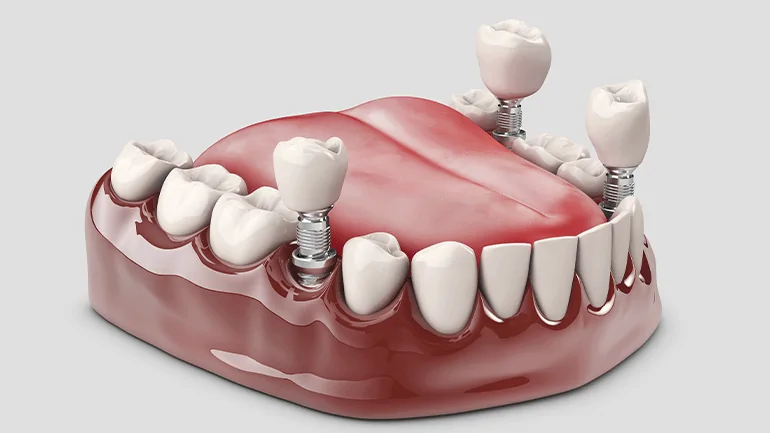
Dental implant surgery involves placing a titanium post into your jawbone, which acts as an artificial tooth root. This integrates with the bone through a process called osseointegration, ensuring long-term stability.
Globally, dental implants have a success rate of 90–95%, according to the World Health Organization (WHO) and the American Dental Association (ADA). Proper preparation significantly increases your chances of smooth healing and long-term success.
Initial Consultation & Pre-Operative Assessment
The first step is a detailed consultation. Your dentist will examine your oral condition, take 3D scans or X-rays, and design a personalized treatment plan.
Bring all relevant medical documents, including recent test results, and discuss your expectations openly.
Disclosing Medical History
Related Post
Top Post
Be honest about your complete medical history. Conditions such as diabetes, hypertension, or heart disease can influence healing. Also, mention any allergies, especially to anesthesia or latex.
Checklist to bring:
- List of current medications
- Known allergies
- Chronic diseases
- Past surgeries
Medication & Supplement Guidelines
Certain medications—especially blood thinners—can affect clotting during surgery. Always inform your dentist if you’re taking aspirin, ibuprofen, or herbal supplements like ginkgo or garlic, as they may interfere with anesthesia.
Avoid self-medicating before surgery. Follow the prescription provided by your dentist for antibiotics or anti-inflammatory drugs.
Lifestyle Modifications Before Surgery
Quit smoking at least 1–2 weeks before surgery. Nicotine reduces blood flow to gums, increasing the risk of implant failure. Similarly, avoid alcohol 24 hours before and for two weeks after surgery.
Stay hydrated, get enough sleep, and avoid strenuous activities right before your appointment. A calm body heals better.
Oral Hygiene Routine Before Surgery
Brush twice daily using a soft-bristled toothbrush. If prescribed, rinse with an antibacterial mouthwash (like chlorhexidine) a few days before the procedure to reduce bacteria.
Avoid vigorous flossing that could irritate the gums. The cleaner your mouth, the lower your infection risk post-surgery.
Fasting & Nutrition Preparation
If your surgery will involve local anesthesia, have a light meal 1–2 hours before the procedure.
For sedation or general anesthesia, fast for at least 6–8 hours. Prepare soft foods like yogurt, soups, and mashed potatoes in advance for your recovery days.
The Day Before Surgery
Confirm your appointment time, set out comfortable clothing, and arrange transportation. Pack your medication list and identification documents.
Try to relax—listen to music or meditate to ease pre-surgery anxiety.
Day of the Surgery – What to Expect
Arrive early, wearing loose-fitting clothes. Your dentist will explain the process, administer anesthesia, and perform the procedure within 1–2 hours for a single implant. You’ll rest briefly afterward before being discharged with aftercare instructions.
Post-Surgery Recovery Plan
Expect mild swelling and discomfort for a few days. Apply ice packs, take prescribed medications, and avoid hard foods. Stick to soft diets for the first week—think smoothies, porridge, and soups.
Recovery Timeline & Milestones
- Days 1–3: Swelling peaks; use ice packs.
- Week 1: Pain subsides; gentle brushing can resume.
- Weeks 3–6: Implant fuses with bone (osseointegration).
- 3–6 Months: Abutment and crown placement.
Healing varies by person, but most patients return to normal life within a week.
Cost & Procedure Options in India
In Indore, single-tooth implants typically cost between ₹18,000 and ₹35,000, while full-mouth restorations can range from ₹3,00,000 to ₹8,00,000, depending on materials and complexity.
For affordable and high-quality dental implant treatments, visit Shivaay Dental Clinic and Implant Center.
Why Choose Shivaay Dental Clinic for Dental Implants in Indore
Dr. Rashmi Rathore Solanki and her team specialize in advanced implantology, using 3D imaging and guided surgery for precision and comfort. The clinic is known for its patient-first approach and comprehensive post-surgery care—making it one of Indore’s most trusted dental centers.
Conclusion
Proper preparation can make your dental implant journey smoother, safer, and more successful. Follow expert guidelines, maintain good oral hygiene, and trust only experienced professionals.
Ready to restore your smile? Schedule your consultation today with Shivaay Dental Clinic, the most trusted name for dental implants in Indore
FAQs
1. How long should I fast before dental implant surgery?
At least 6–8 hours if undergoing sedation; local anesthesia patients can eat 1–2 hours before.
2. Can I drive after my implant surgery?
Not if you’ve been sedated—arrange a driver or companion.
3. What foods are best after surgery?
Soft, nutritious foods like soups, oatmeal, and smoothies aid recovery.
4. How painful is dental implant surgery?
Most patients report mild discomfort managed with pain medication.
5. When can I return to work?
Usually within 2–3 days for light work; longer for strenuous jobs.